

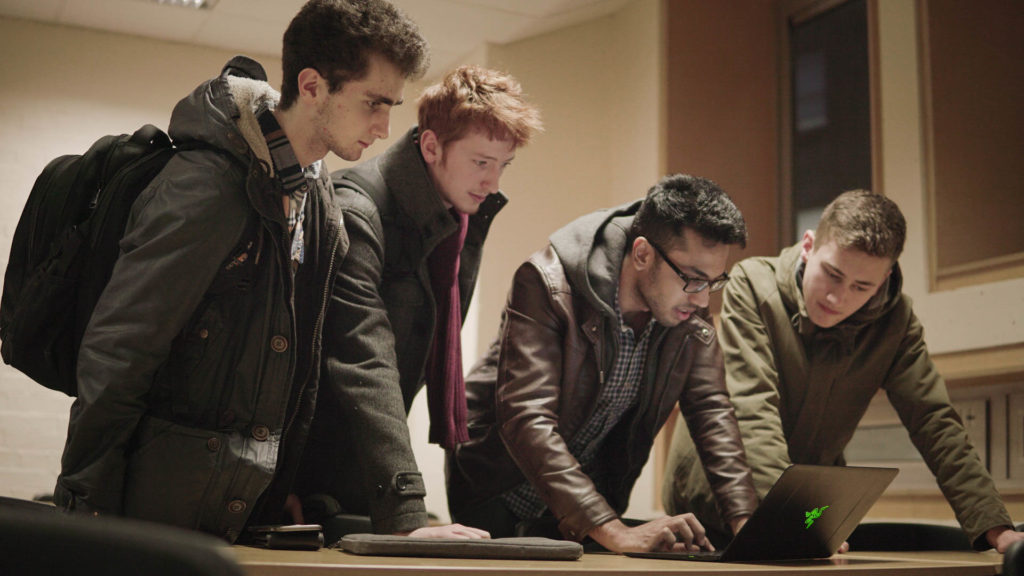
Hello, my name is Daniel and I am the head of the Drivetrain department along with David Simonian and Colm O’Brien. I am currently in Second year hoping to continue on to Mechanical Engineering next year. I know Trinity does not have an automotive course and because of this I was very excited to hear about the possibility of Formula Student being set up. I believe this is a great opportunity for students to become involved in a large scale project and to see how engineering works in real life scenarios outside of the lecture hall. To experience the dynamic between the different departments and to see innovation being done around you as opposed to learning about it in a book is why I joined the team.
Drivetrain works very closely with both the engine and the wheels although we are our own separate department. Our focus is on how to get as much power as possible from the engine, and transfer that to the wheel. We then decide how that power is distributed to the wheels by choosing a differential. When turning corners the wheels need to spin at different speeds. We look at all these factors and use the power torque curves from the engine to design the most efficient way for our car to drive, wasting as little energy as possible.
The easiest way to picture a drivetrain set up would be to picture a bicycle. As you pedal you are moving a chain which in turn moves a sprocket which is attached to the wheel. Anyone who cycles will be aware of this as you often have to put the chain back on the sprocket if it falls off. In this case you are the engine (powering the bike with your legs) and the chain sprockets and gears are the drivetrain, transferring the power you give by pedalling to the wheels making them turn.
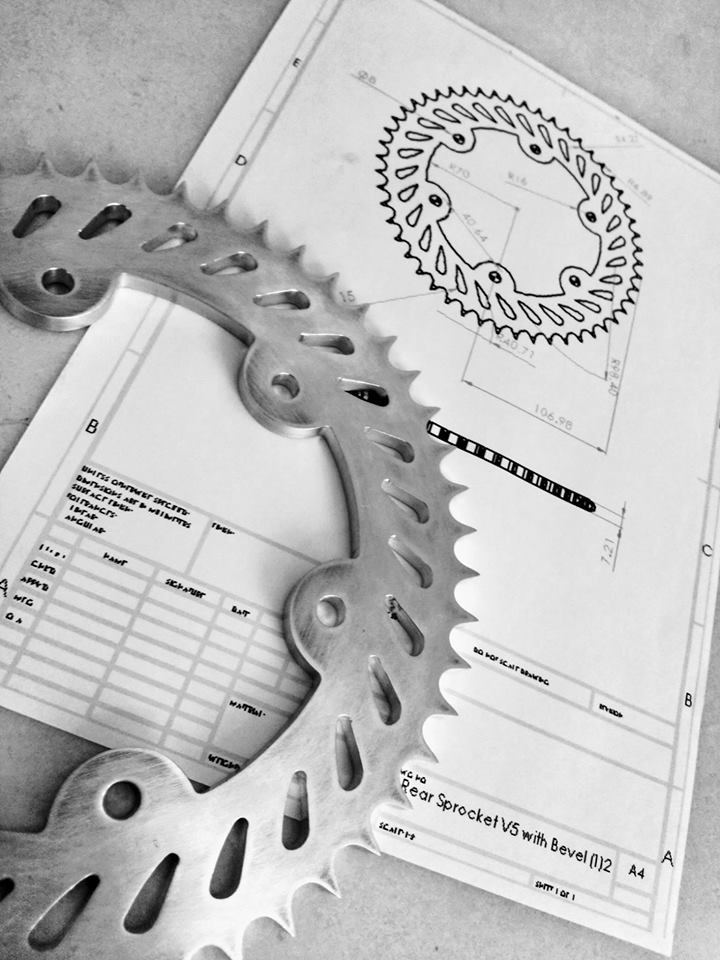
Believe it or not this method of using a chain and sprocket is also used in many cars. A large section of our department was to design this
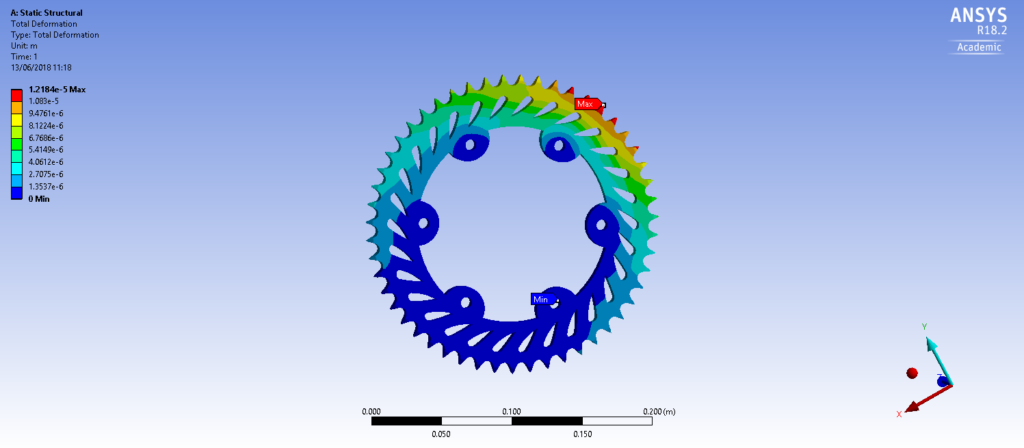
setup. We used SolidWorks and other software such as ANSYS to design the shape as well as to test its strength in use. This showed us how the system would hold up when forces were applied.
These parts were also the first parts to be manufactured for the car. This was done in the Mechanical Engineering building in Trinity and was the team’s first look at all of our hard work brought to life in a physical form.
For anyone looking to join such a project, having an appreciation for group projects is a must. This isn’t something you can do alone. You have to enjoy working with other people and have to enjoy what you are doing.