
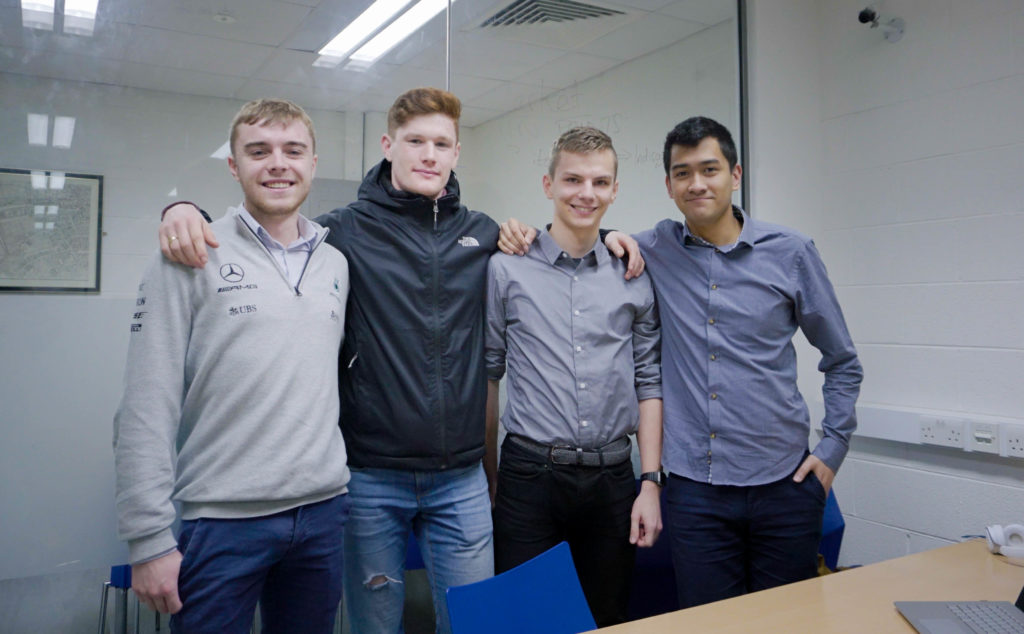
We’re pretty boastful of our department’s role in the race car – but we don’t let pride blind us from the harsh reality of engineering. One of Formula Trinity’s goals is to have a proper functioning car by next year, and our job is to squeeze as much power from the engine as possible while abiding to the rules. The department is comprised of Arnie, Luc, Luke and Forrest (me).
The Engine
Perhaps one of the greatest challenges we’ve had is trying to actually understand the whole mechanics of the engine and figuring out the key factors that could be optimized to ensure it delivers the performance we want. None of us knew much about engines, so a lot of studying had to happen.
An engine is deceiving – very deceiving. Beneath that shiny metallic component lies complex subsystems that could have adverse effects of the engine overall output performance if not designed correctly. We are planning to use the 2013 Triumph 675cc engine this year. This engine was selected as it has a high power to weight ratio and offers a tight packaging, which is essential to maintain driveability.
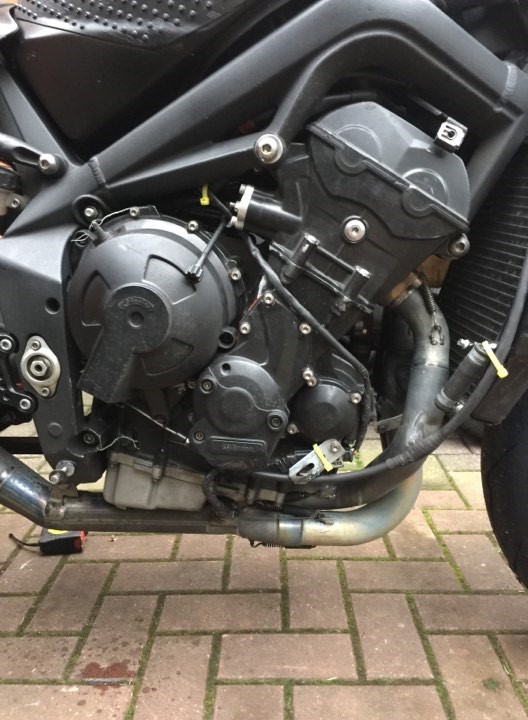
Our team is currently working on configuring the engine fitting within the virtual chassis. It’s a pretty large and heavy specimen with lots of air ducts required for combustion and exhaustion. We are working out ways to optimize the intake dimensions. An intake manifold is the part of an engine that supplies the air to the cylinders. The intake manifold is essential for the optimal performance of an internal combustion engine. The intake runner lengths and runner diameters for each cylinder, as well as the intake plenum volumes, are the best areas for development, in order to make gains when operating with a restricted intake. A proper exhaust system is vital for removing burnt gases away from the engine so that it runs smoothly. By estimating the torque and power obtained from such configurations, we can simulate the corresponding speed and analyze that to tweak our internal mechanisms.
Engine Simulations
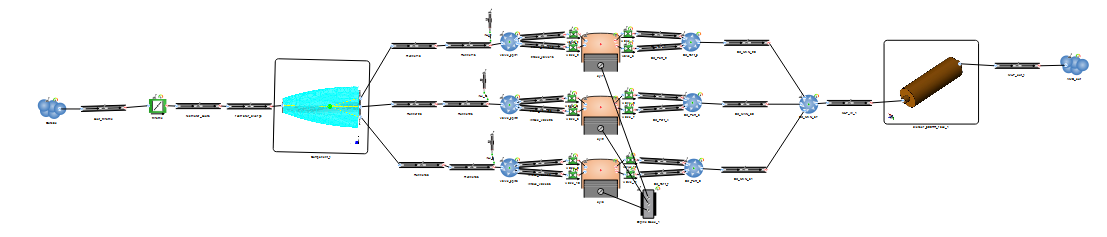
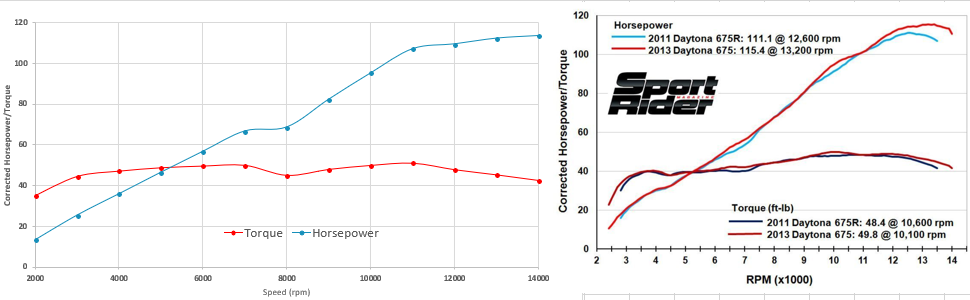
Simulation is very important since we do not have an engine on hand. Using software such as RICARD Wave allow our team to create an engine model and tweak it, learning how our designs influence the torque, power and fuel consumption of the engine. The intake manifold also undergoes a lot of flow simulation and has gone through 5 major iterations.
I can see why the word ‘engine’ comes from the Latin word ‘ingenium’ meaning ingenious. It takes real ingenuity to design and operate such fine mechanism, something I’m glad we don’t have to make. But what keeps me going is everyone’s willingness in the team to go out there and pursue in making this dream race car in the international stage, which is a first for the college.
If you’re looking to join this awesome experience, make sure you have the willingness and openness to try out new things. A lot of us never had direct experience with engines and the software we use to design and analyze it. If you have the perseverance and desire to try, your eyes will gradually open to the beautiful world of engineering creativity.