
Our Cars
After a successful 18/19 campaign, we made the decision to switch from Class 2 to Class 1. For the first time, we have to not only design a car, but realise it in flesh and metal, and bring it to dynamic tests. While we have two years of experience at our back, ensuring our processes are more efficient than ever, once again we have to adapt to new challenges for our first year in a more advanced, more challenging class, requiring not only blueprints and schematics, but a working racer that can pound around the Silverstone International Circuit for twenty two kilometers without fault, accelerate from a standing start as fast as possible, and powerslide, forcing the car to be designed to facilitate performance in these areas.

Competition Results
- Overall: TBD
- Design: TBD
- Business: TBD
-
Performance: TBD
- Acceleration: TBD
- Skid Pad: TBD
- Efficiency: TBD
- Autocross: TBD
- Cost: TBD
Components
- Tyres: 13in Hoosier R25B
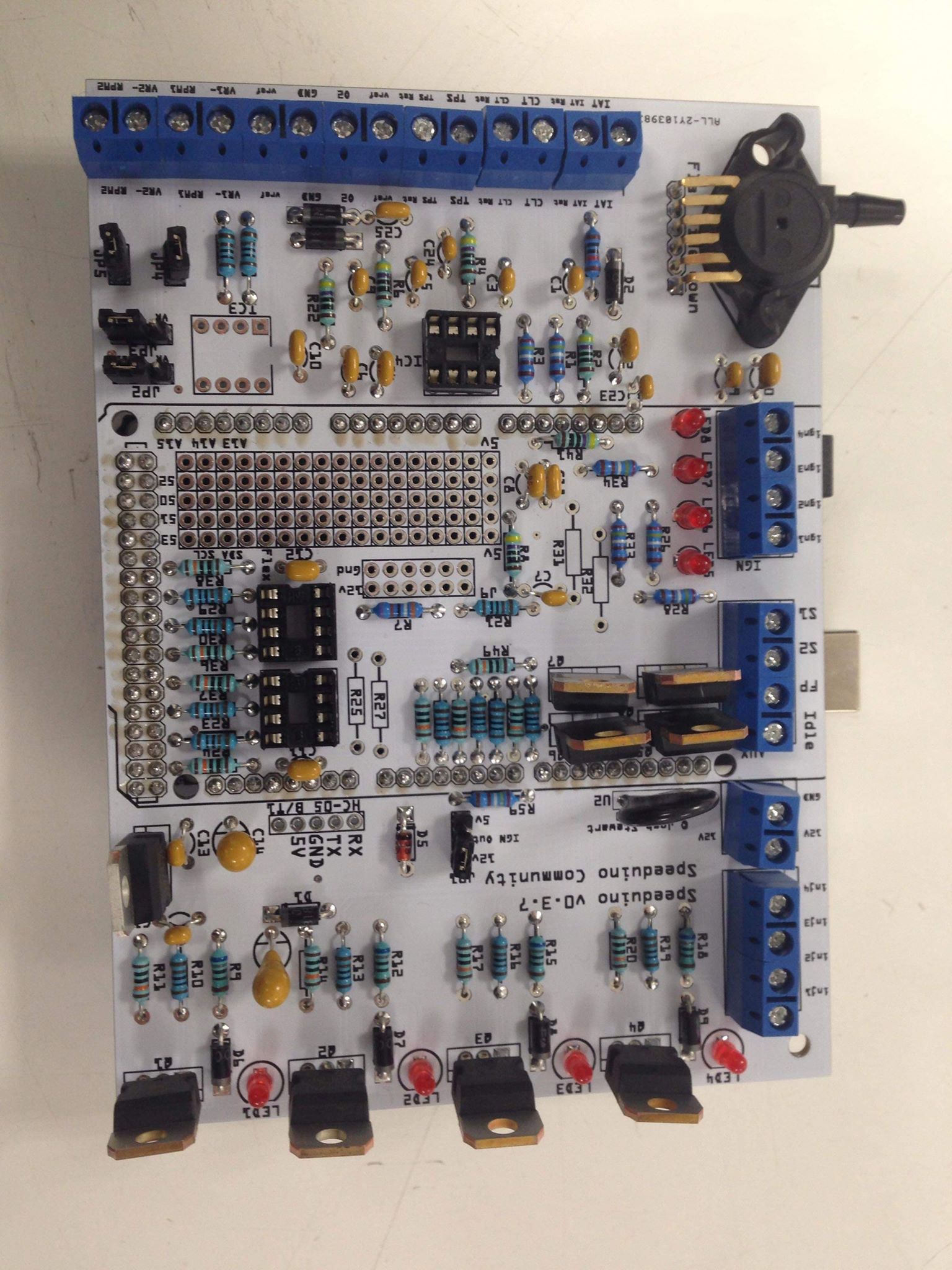
- ECU: Speeduino
-
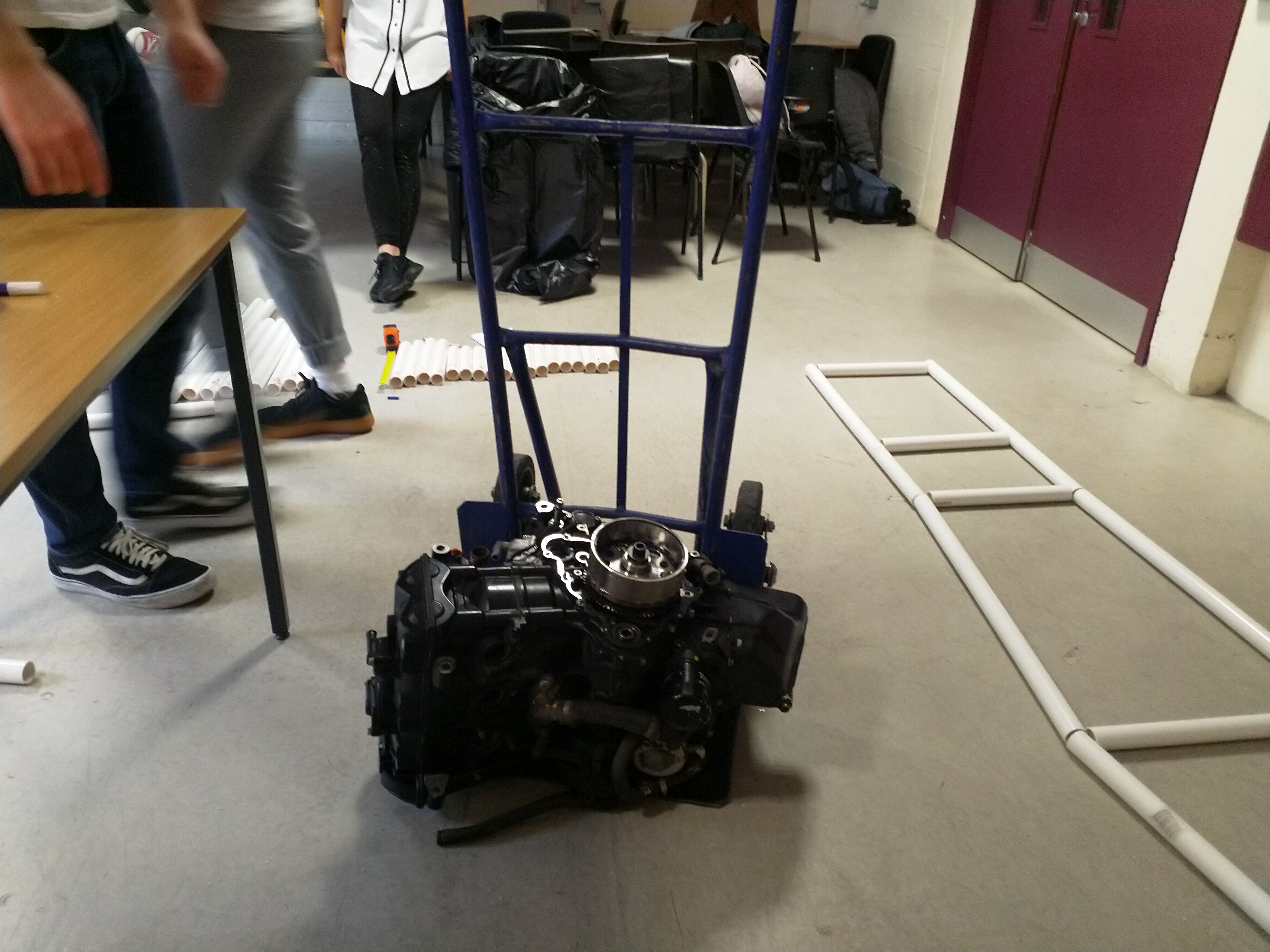
Engine:
2007 Daytona Triumph 675 - Engine displacement: 675 cc
- Engine cylinders: 3
Performance
- Max power: 88.5 bhp @ 12,000 rpm
- Max torque: 67.45 Nm @ 8,000 rpm
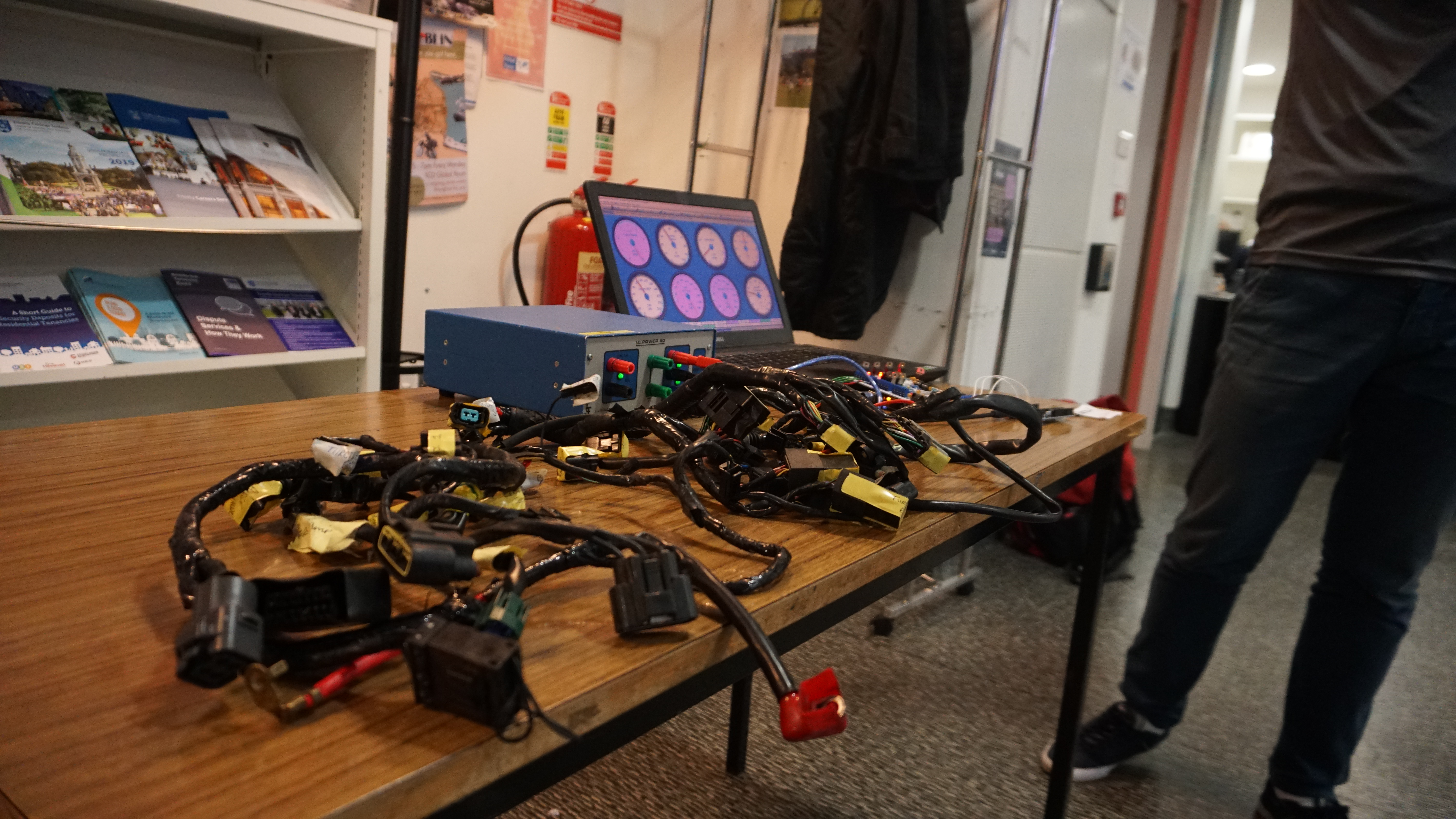
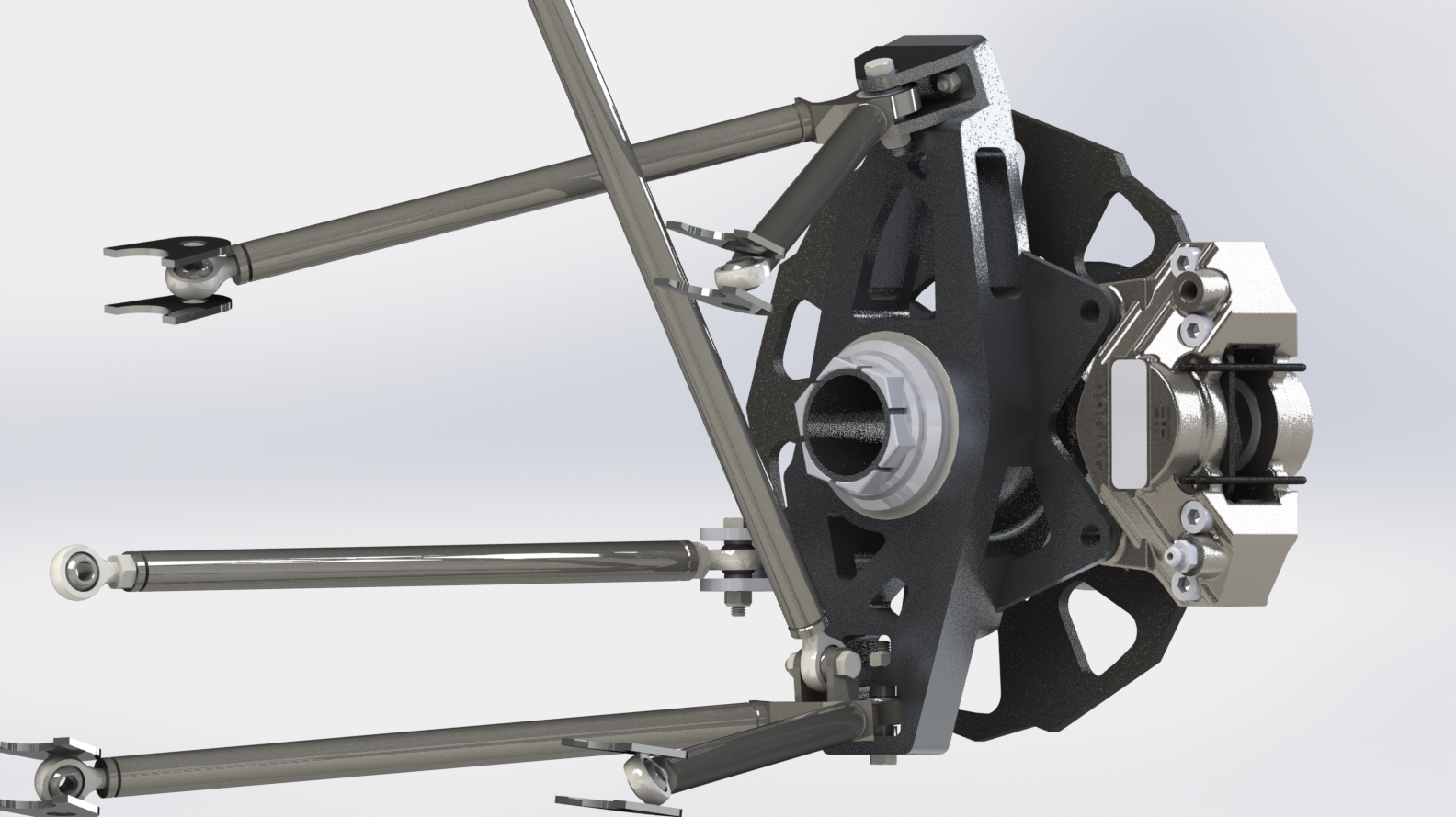
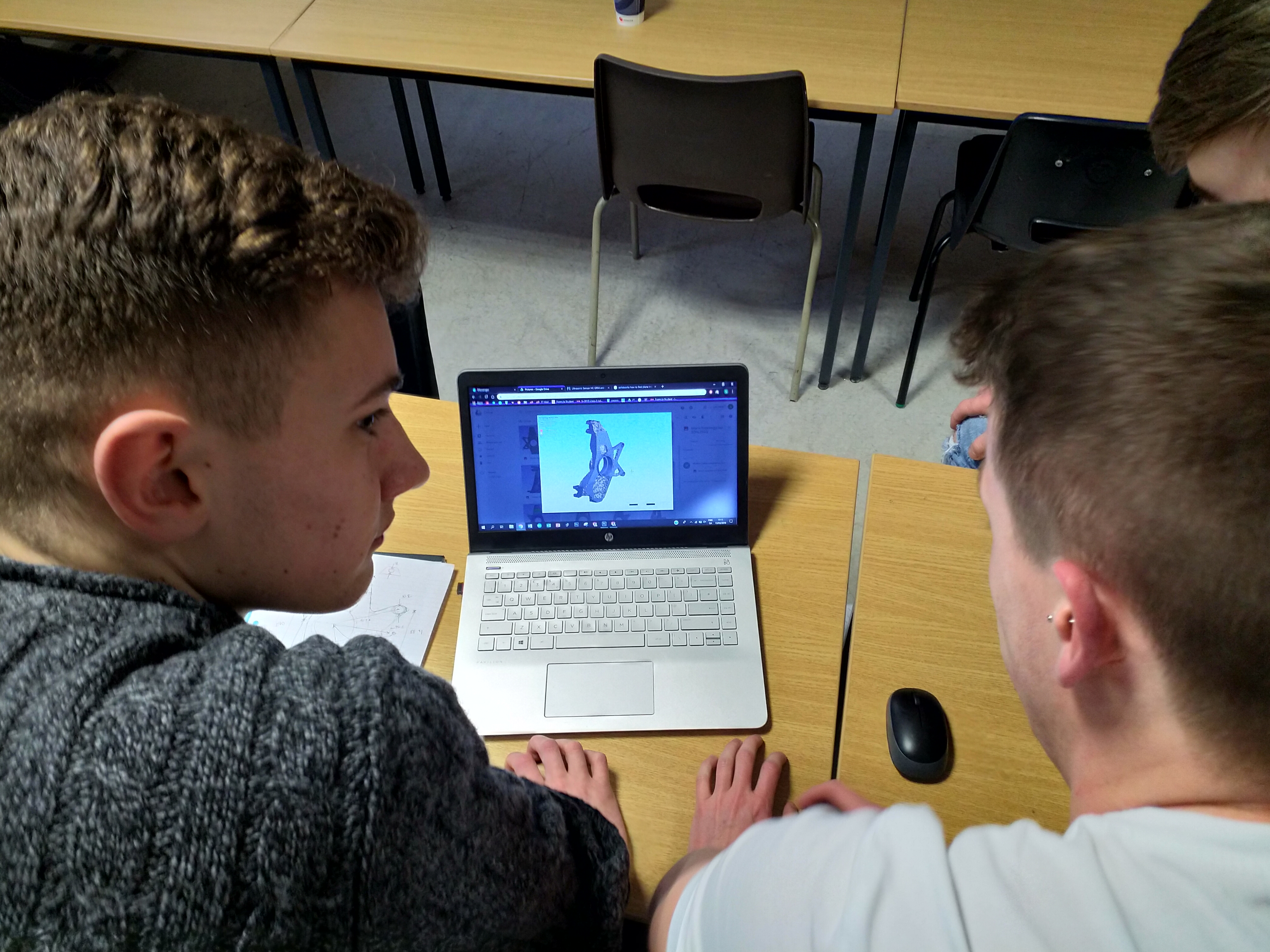
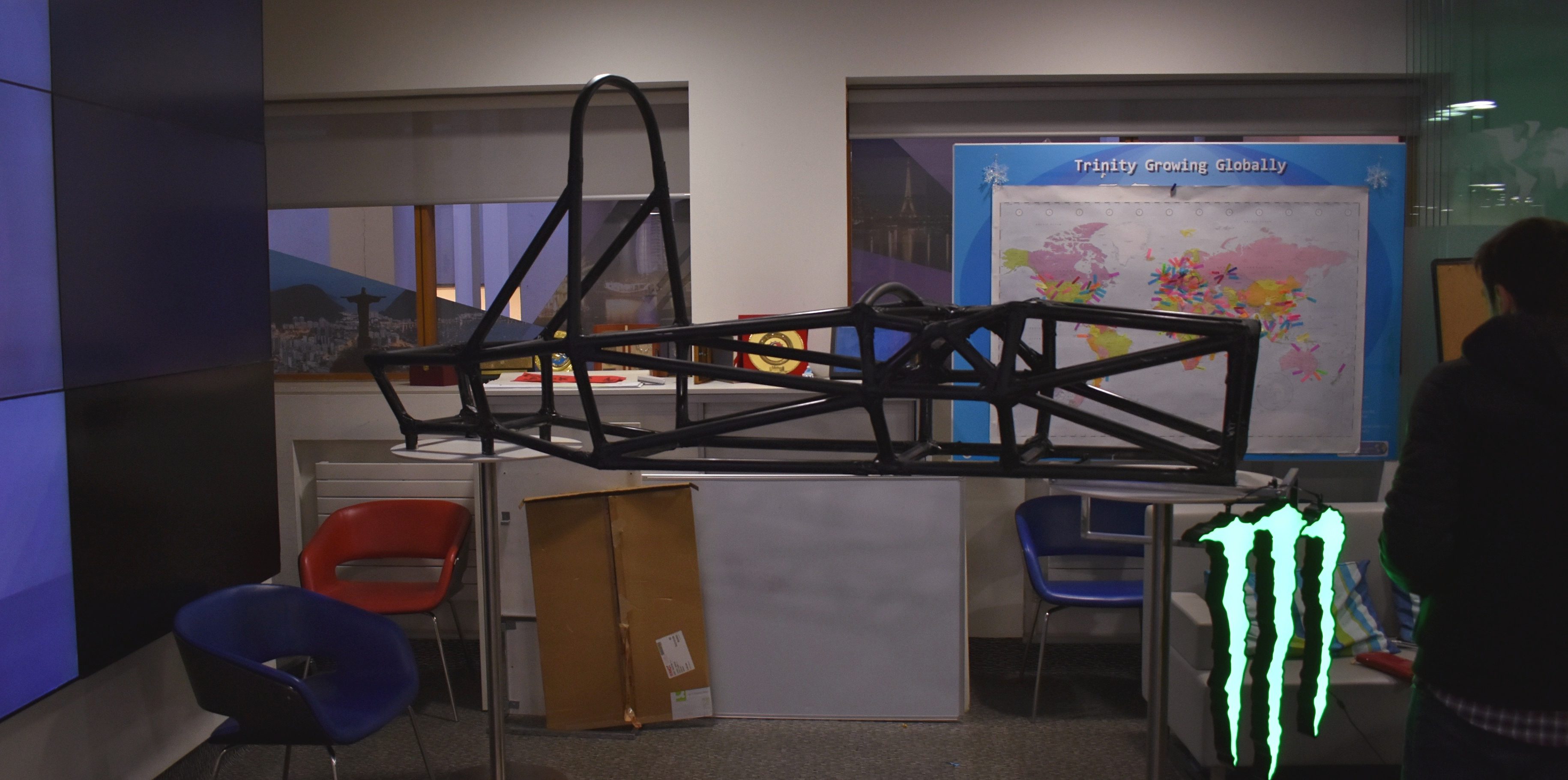
The FT02 evolved on Formula Trinity’s first outing, taking the lessons the team learned from the first car built by this team and this college and building on them. With the experience from the previous year at their back, the team thrived, and it showed in the results; from 22nd to 2nd, and we had much more of an understanding of how to extract performance from the car. We honed the car’s package down from a midfield runner to a contender for the win. When it came time to deliver, the car absolutely delivered, with the lessons we learned last year kicking into the successful design. To the last car we fielded in Class 2 before we moved on, we bid a fond farewell, saluting the first taste of success it brought us.
Competition Results
- Overall: 2nd / 38 (+20)
- Design: 3rd / 11 (+3)
- Business: 6th / 38 (+2)
- Cost: 7th / 38 (+17)
Specifications
- Length: 2.2m (-0.7m)
- Height: 1.28m (-0.02m)
- COG Height: 0.274m (-0.006m)
- Overall mass: 232kg (-48kg)
- Wheelbase: 1.6m (~)
- Track width: 1.16m (~)
- Frame mass: 30kg (+8.8kg)
- Induction: Naturally aspirated
- Throttle: Mechanical by wire
Components
- Tyres: 13in Hoosier R25B
- ECU: Speeduino
-
Engine:
2007 Daytona Triumph 675 - Engine displacement: 675 cc
- Engine cylinders: 3
Performance
- Max power: 88.5 bhp @ 12,000 rpm (+12.6 bhp)
- Max torque: 67.45 Nm @ 8,000 rpm (+7.8 Nm)
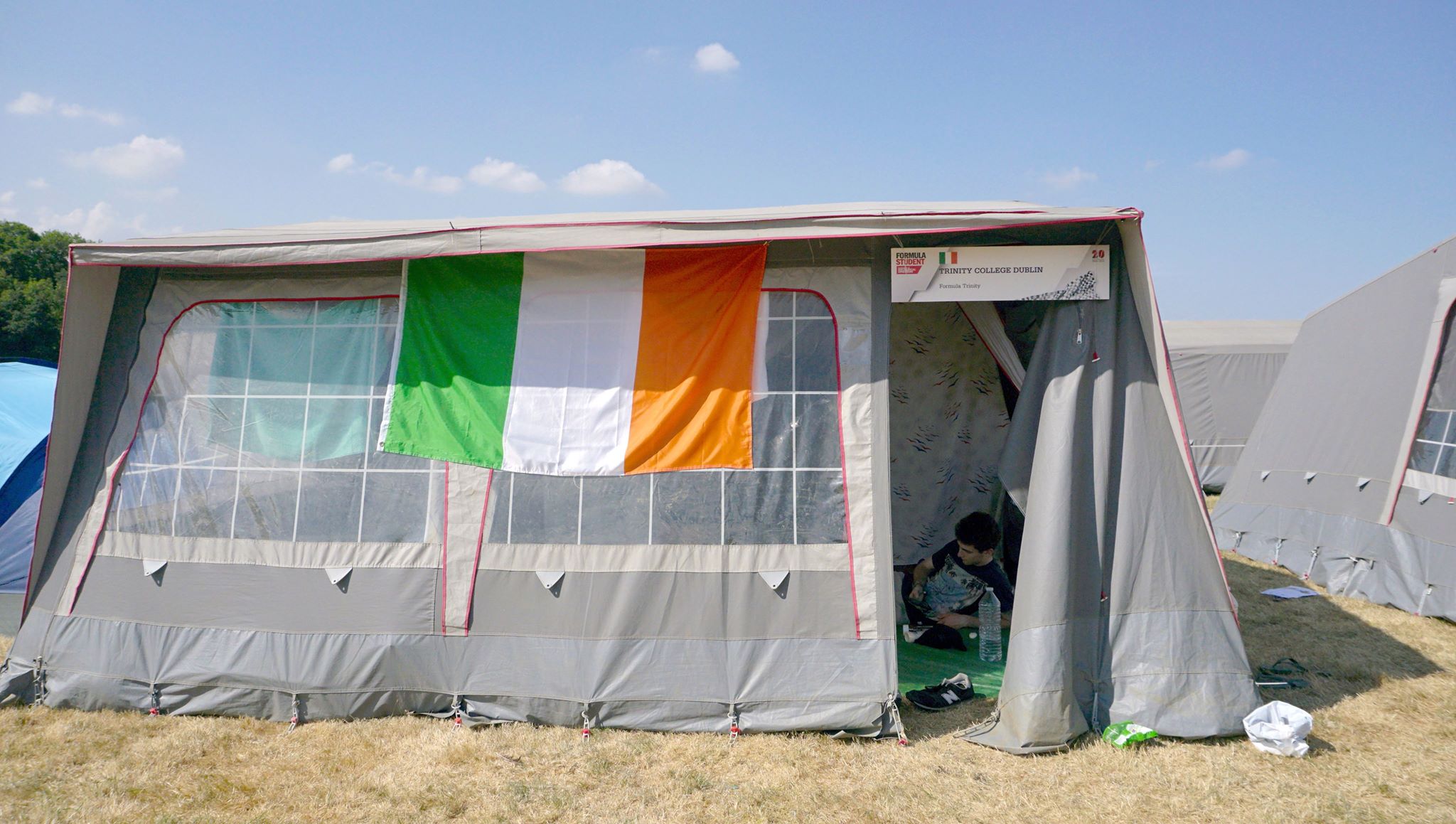
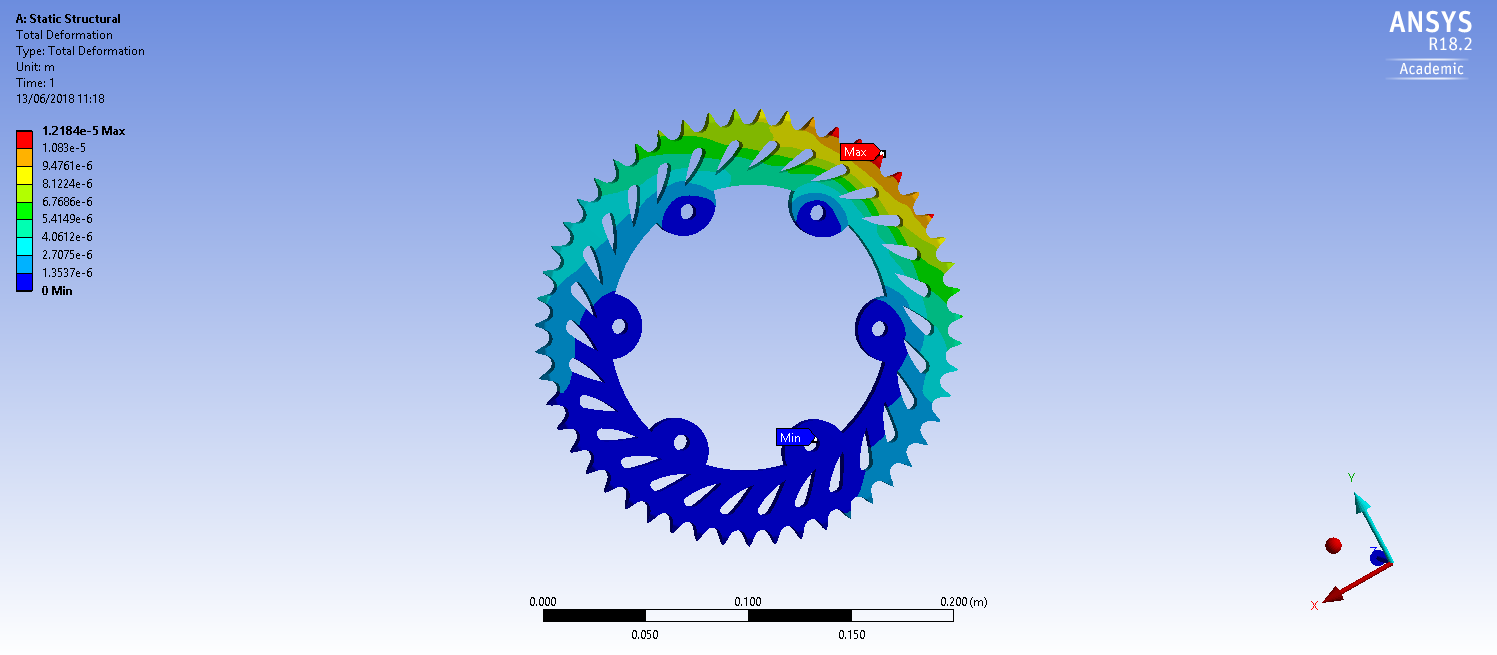
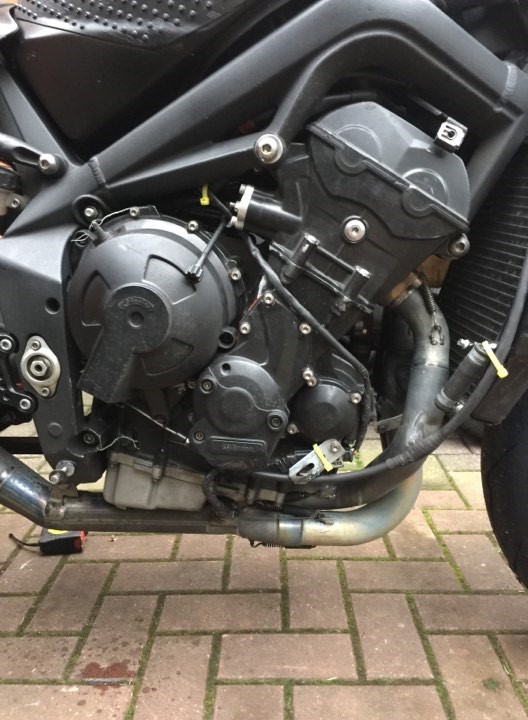
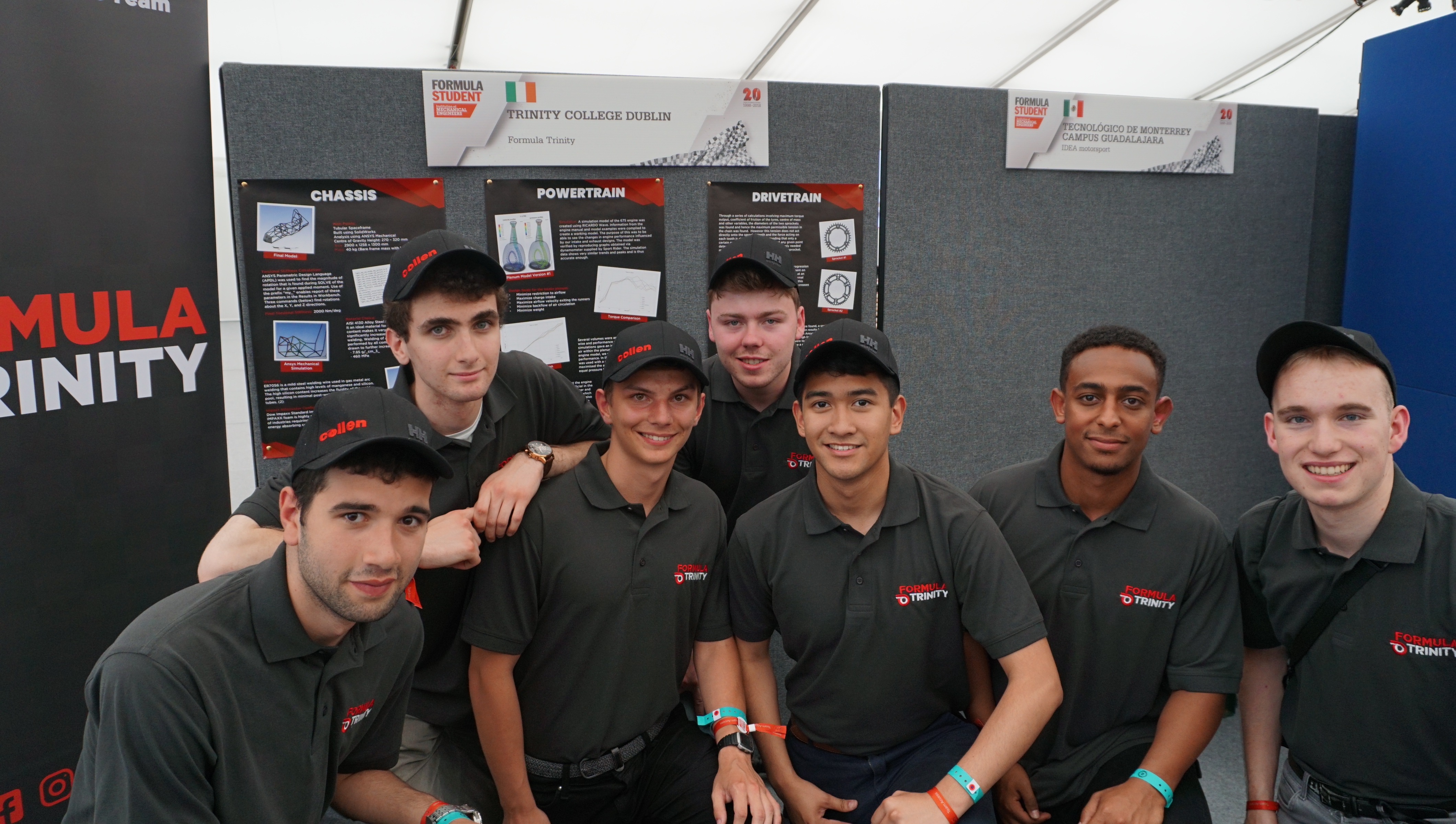
The FT01 was the team’s first attempt at designing a race car. Many challenges have had to be overcome, namely the lack of knowledge and experience. The FT01 was used as a vehicle to promote learning, experimentation and integration among the team. It was important to get the basics right and to explore the subsystems which make up a race car. Thus the core design principal was to design a simple race car which will work and could be manufactured in college. Systems and materials were to be kept manageable. Overall mass and speed had little influence in design decisions, although it was paramount to design a highly derivable vehicle which could be manufactured at low cost.
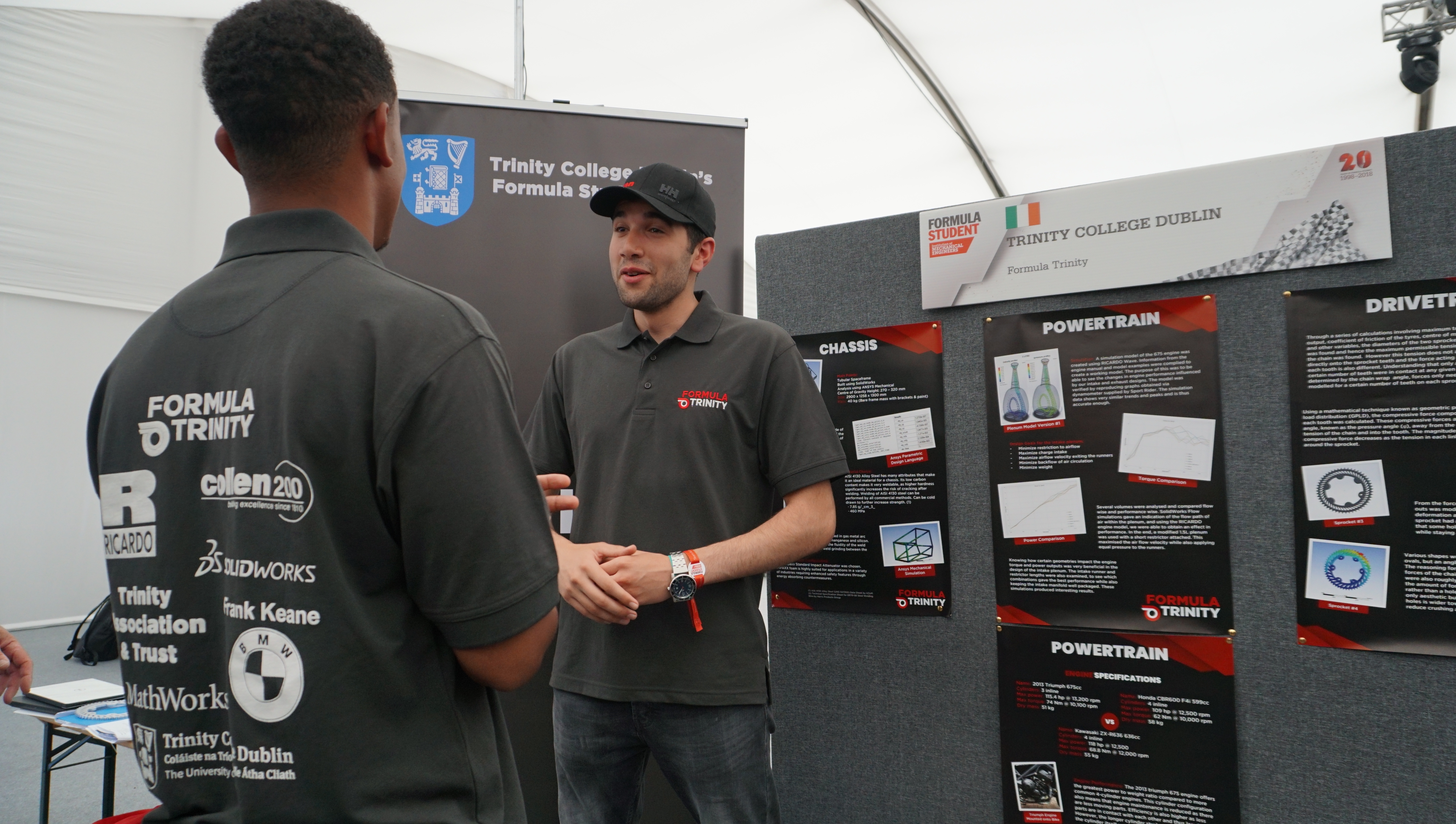
Competition Results
- Overall: 22nd / 35
- Design: 6th / 11
- Business: 8th / 35
- Cost: 24th / 35
Components
- Tyres: Hoosier 20.5 x 7 inch
- Frame type: 4130 steel alloy space frame
- ECU: Motec M84
- Engine: 2013 Daytona Triumph 675
- Engine displacement: 675 cc
- Engine cylinders: 3
Performance
- Max power: 75.9 bhp @ 13,000 rpm
- Max torque: 59.66 Nm @ 6,200 rpm