

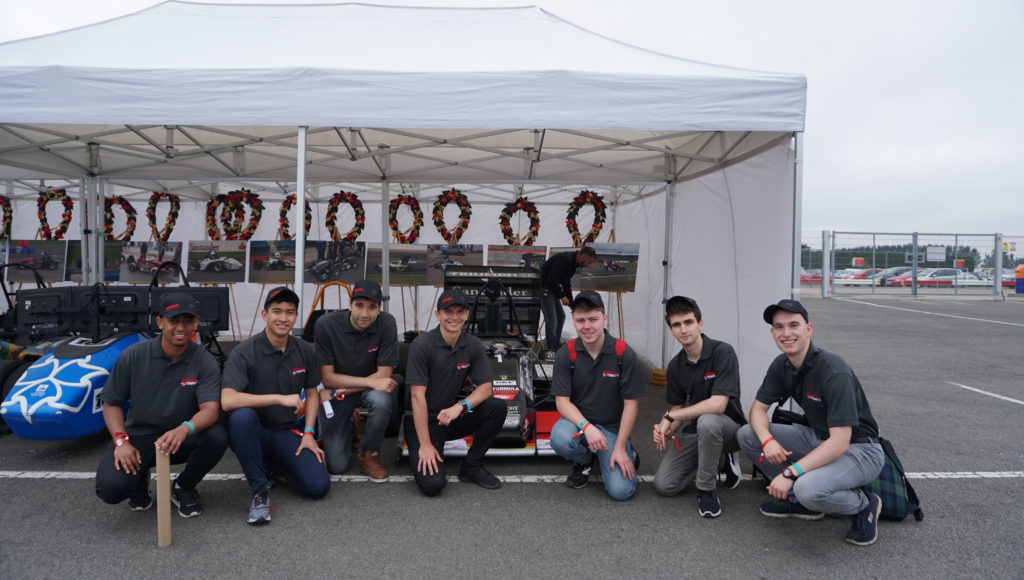
Now over a year old and into our second formula student season, Formula Trinity has survived the chaos that comes with establishing a workable and self-sustaining student run entity. A wealth of knowledge was brought home from Silverstone and it is sufficing to say that the team had an exhilarating time. The thick smell of petrol and burning rubber combined with sounds of spitting engines and students cheering just absorbs you into the chaos. A powerful sense of devotion and organisation was felt while camping among the other teams.
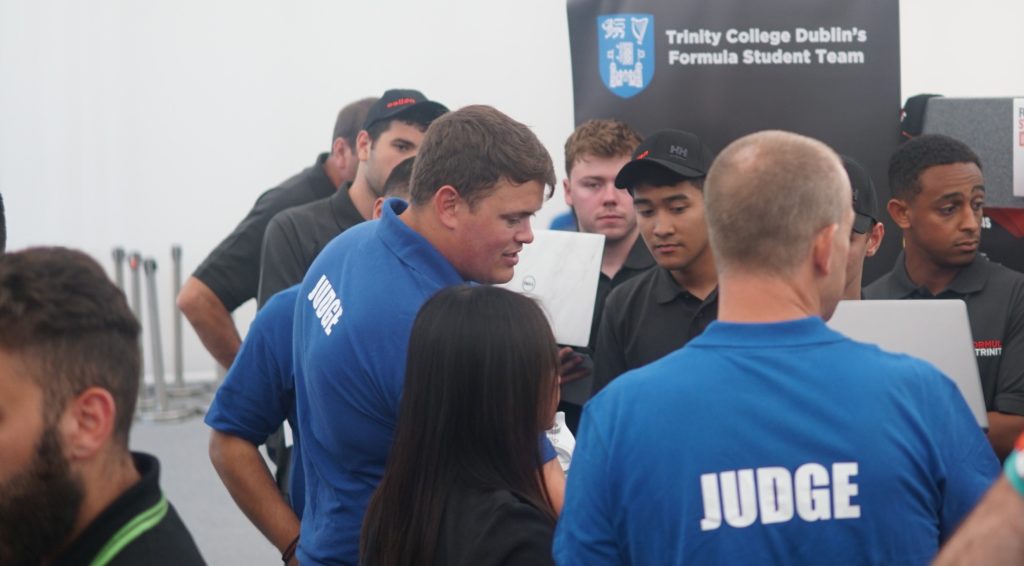
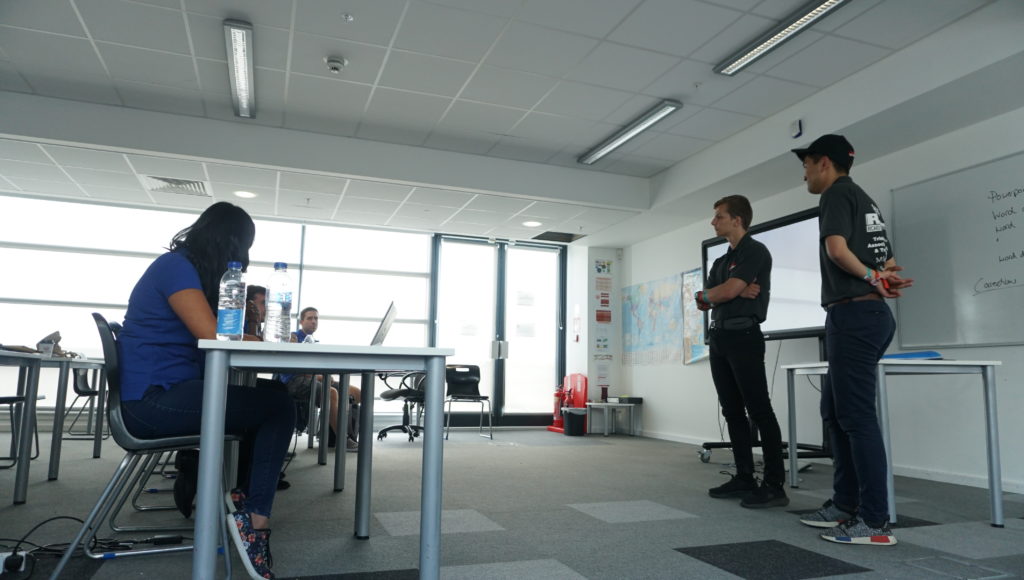
The blistering heat also kept us on our toes, as temperatures reached well past 25 degrees Celsius. As it was our first time, we’ve received a lot of feedback from both judges and competitors. Touring the garages was an exciting time as we got to see various designs implemented onto the race cars. The team even got a chance to meet an alumnus from Trinity College who is now working for a F1 team. Taking this forward, several project management changes have been implemented. The hard work begins now, taking the ‘taster’ experience and using it to form a more sustainable and successful way of competing.
Changes
Firstly, formula student is a huge project not to be taken lightly. There are a lot of parts and systems which go into making a race car. These components will also have a relationship with other components which adds another layer of complexity. Tracking progress and parts can be challenging and is a project management exercise. This problem is amplified the more people you have on the team as communication begins to stretch. Despite our efforts, our tracking ability was quite poor last year. This year we have implemented a dedicated tracking system for both tasks and parts. With experience, we’ve also solidified certain roles within the team to ensure everything is kept on top and that people are responsible.
A big team brings plenty of meetings. With a 36% increase in students working this year, there are meetings and decisions being made all the time. More emphasis is placed on documenting and sharing these, as last year a major issue was information transparency. Now that all team leaders have competition and project experience, this should be easily fixed.
A problem last year was overall design integration. Departments did little interaction with each other and even if they did, there was little evidence. The judges spotted this quick. Despite having established agreed design goals last year, departments move at different paces and decisions could be oblivious to others. It is important that all departments ultimately follow the same path towards an agreed design. This can be difficult if some departments are weaker than others. It was a conscious decision this year to recruit more students, to ensure the quality of work and skill set was equally distributed.
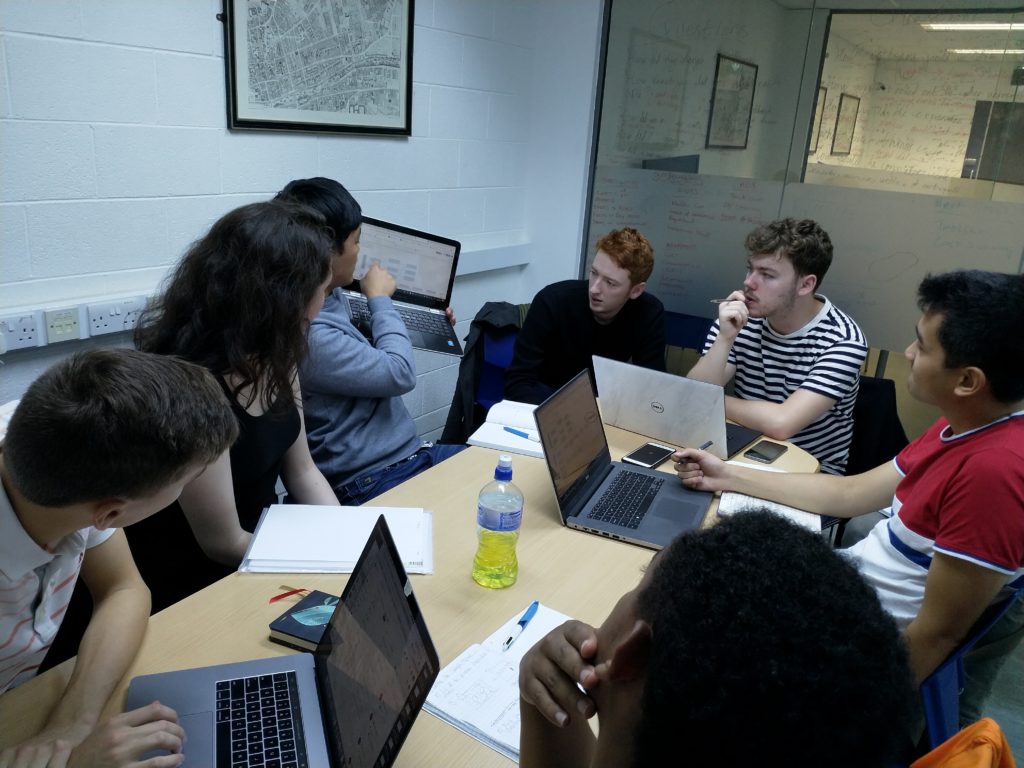
There is also more time this year. Last year design has started around Christmas time, with several weeks dedicated to organisation and resource gathering. This year, design has started on week 4 of the academic year, about 9 weeks ahead of last year. This means more time to get things right and more importantly, more time for new members to integrate into the team.
The team also had the pleasure of having Neil Anderson, FSUK head design judge, visit Trinity to give a small talk and to answer questions. It was a night filled with plenty of good insights and advice.
Moving forward
There is a lot more work to do – to continue and build on from last year. It will be important to not repeat last year’s mistakes, but we also received plenty of positive feedback from the judges. The team will be working harder and smarter moving forward for Silverstone 2019.
Team Captain
Arnie Sasnauskas

& Head of Powertrain