

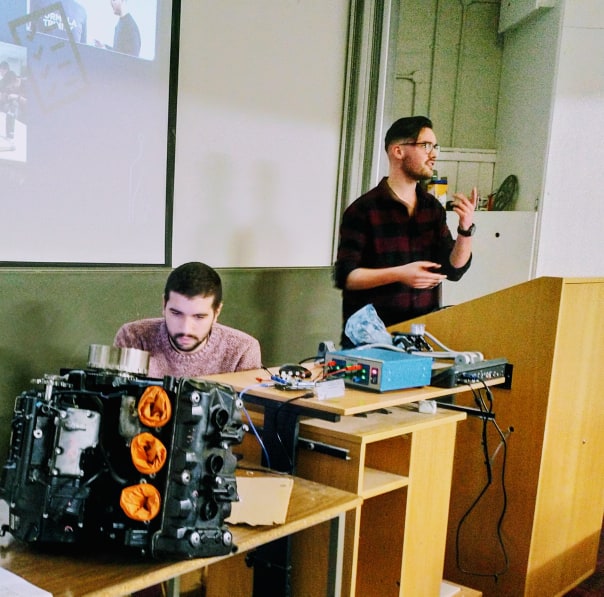
Hi, I’m Brendan and I’m currently the Deputy Lead of the Electronics Dept. here at Formula Trinity. I’m a final year student, studying computer and electronic engineering with hopes to continue into the MAI programme next year. This course, so far, has set me up perfectly to delve deep into the world of Formula Student and to help bring the team to a position which should see us place highly in this year’s competition at Silverstone. Along with Peter (our lead) and the rest of the electronics department we are currently working on the key electronic components which will help bring our car to life, and keep it racing for as long as we possibly can.
Electronics Team
Electronics may not be the first department someone thinks of when joining Formula Trinity. After all, it isn’t always as glamorous as departments like drivetrain or chassis which can involve a lot of hands on work with shiny motors and CAD drawings. In fact, most of our time is spent pouring over schematics and specification sheets to determine exactly what tiny bug may be causing weeks of heartache such as broken code or dodgy circuit diagrams. But electronics can be some of the most rewarding and satisfying work out there (at least I think it is anyway). We are, after all, the literal spark that kicks our car into life and keeps it driving off safely into the sunset.
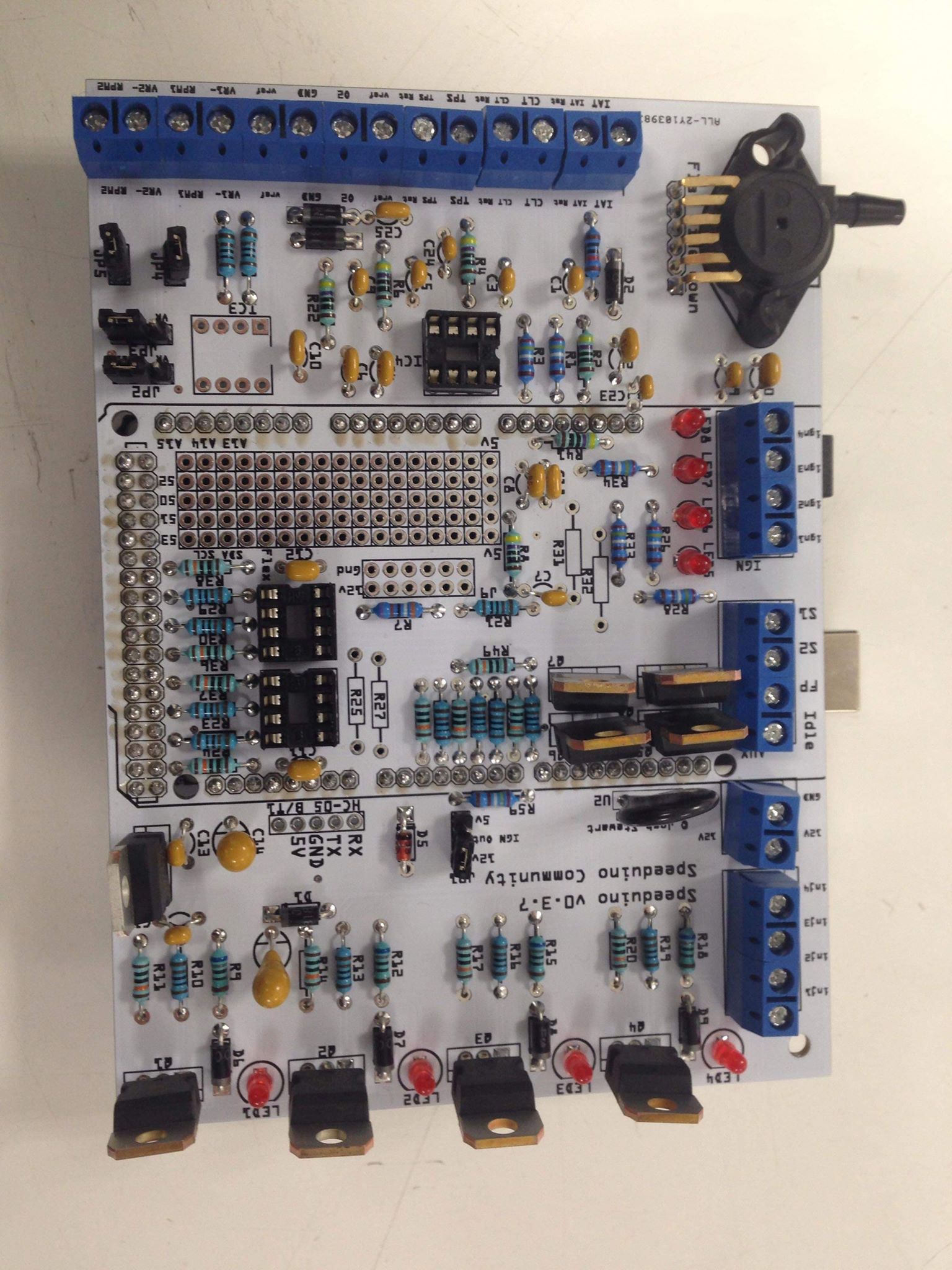
Our current tasks include testing our ECU (which we built in house from a Speeduino ECU kit), constructing a prototype EV buggy and building the dashboard and display for the cockpit and finally data logging of key information output from sensors within the vehicle. Along with these main tasks come the other electronic components within the car, like sensors and the safety system.
The ECU is the heart of our engine, it controls the amount of fuel and air entering each cylinder and helps deliver the power to the wheels exactly when we need it as well as multiple other process within the engine as well as sending important data to the display and logging system. This ECU is built on an opensource platform (for those of you not versed in the world of code it means lots of people are already using it and supplying code and strategies to get the most out of this tiny, but vital piece of kit). This gives us unparalleled control over the tiniest of functions within the engine, which will hopefully give us that all-important edge over our competition. Coupling this with our recently purchased Triumph 675 engine puts us right at the top when it comes to available power for our little race car.
With great power comes great responsibility and this is right where our electronic safety systems will come into place. To keep inline with FSAE regulations we will have to implement a fool-proof safety system which will cut all power to the ECU & engine in case of any sort of failure or collision while the engine is running. This includes kill switches inside and outside the cockpit and a whole host of collision sensors around the car and within the engine. A big task, but an important one to insure the safety of not only our driver, but other competitors and the car itself.
Our engine, and the rest of the car, are going to generate a whole host of bits and bytes of important data which will have to be stored and logged for analysis if we are to get the most out of our car. These pieces of information will be generated by multiple sensors which will provide vital insights into performance, efficiency and handling. This information will then need to go to one of two places, either the display for viewing by the driver or to the on-board datalogging system for later analysis. This data-logging system & display will be one of the next big projects undertaken by the electronics department after final testing of the ECU system. This logging system will use a combination of Arduinos and Raspberry Pi micro-computers. The display will use a combination of 7-bit LCD displays and LEDs to show the current gear, revs, and speed, as well as warning lights for key aspects of the engine like oil and water temp.
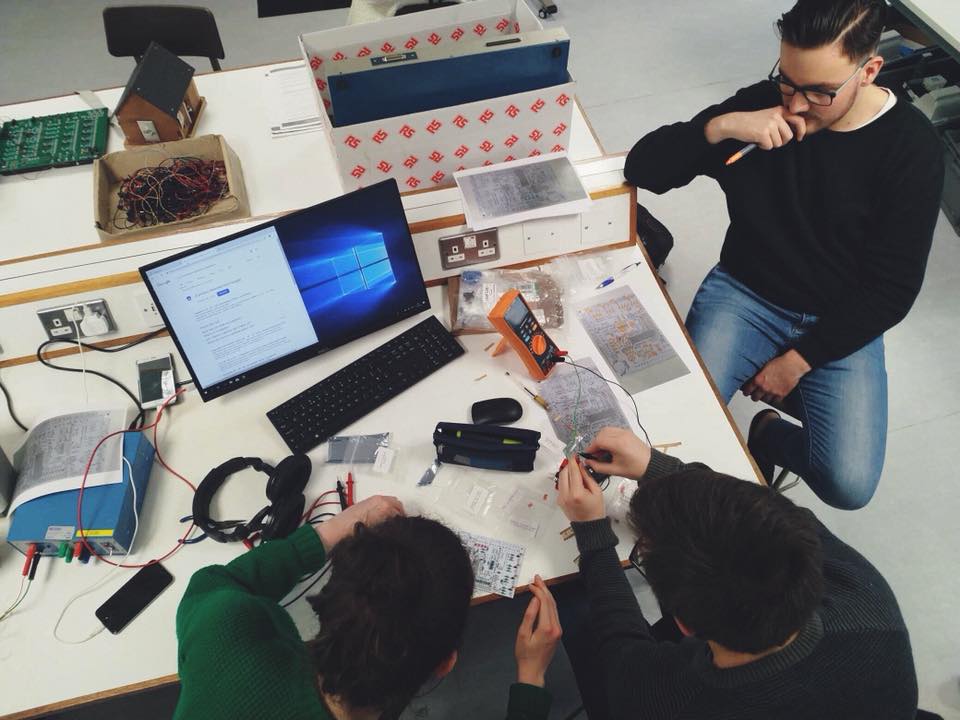
Overall the electronics department have some of the most important jobs to fulfill within the team, but its also some of the most enjoyable work. Even if it isn’t immediately gratifying. With our tight-knit team of seven driven and motivated students we’ve been able to do more in the last 6 months than all of last year (2017/18) combined. It’s been a satisfying journey so far despite some of the challenges we’ve faced. As a final word to anyone who may be interested in joining the team I’d say this: what are you waiting for?