

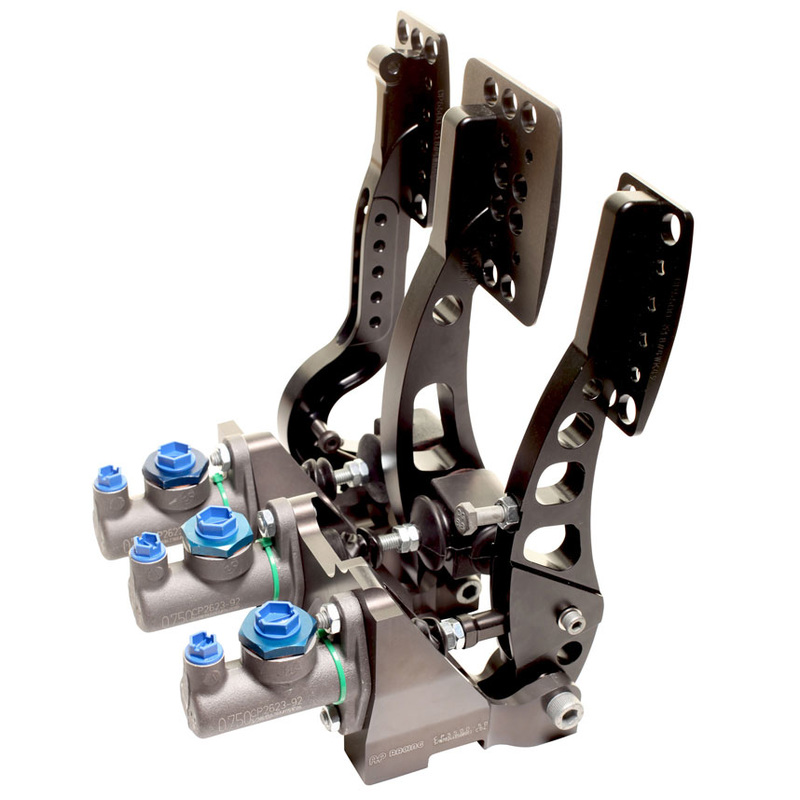
 Ultimately, a car is no faster than it can be driven, and a well engineered car that can theoretically keep pace with an F1 car is no good if only the best drivers are capable of bringing it there. A fast car on paper is no good if it can only achieve those numbers in such outrageously specific circumstances as to make it no better than luck.
A good car must be one that is accessible, and one that can easily be driven at speed so as to achieve the results that it deserves. Such is the role of the ergonomics department, who are responsible for all of the car-driver interfaces, be they the gearshift, tachometer, seating, and, as we want to discuss here, the pedal box.
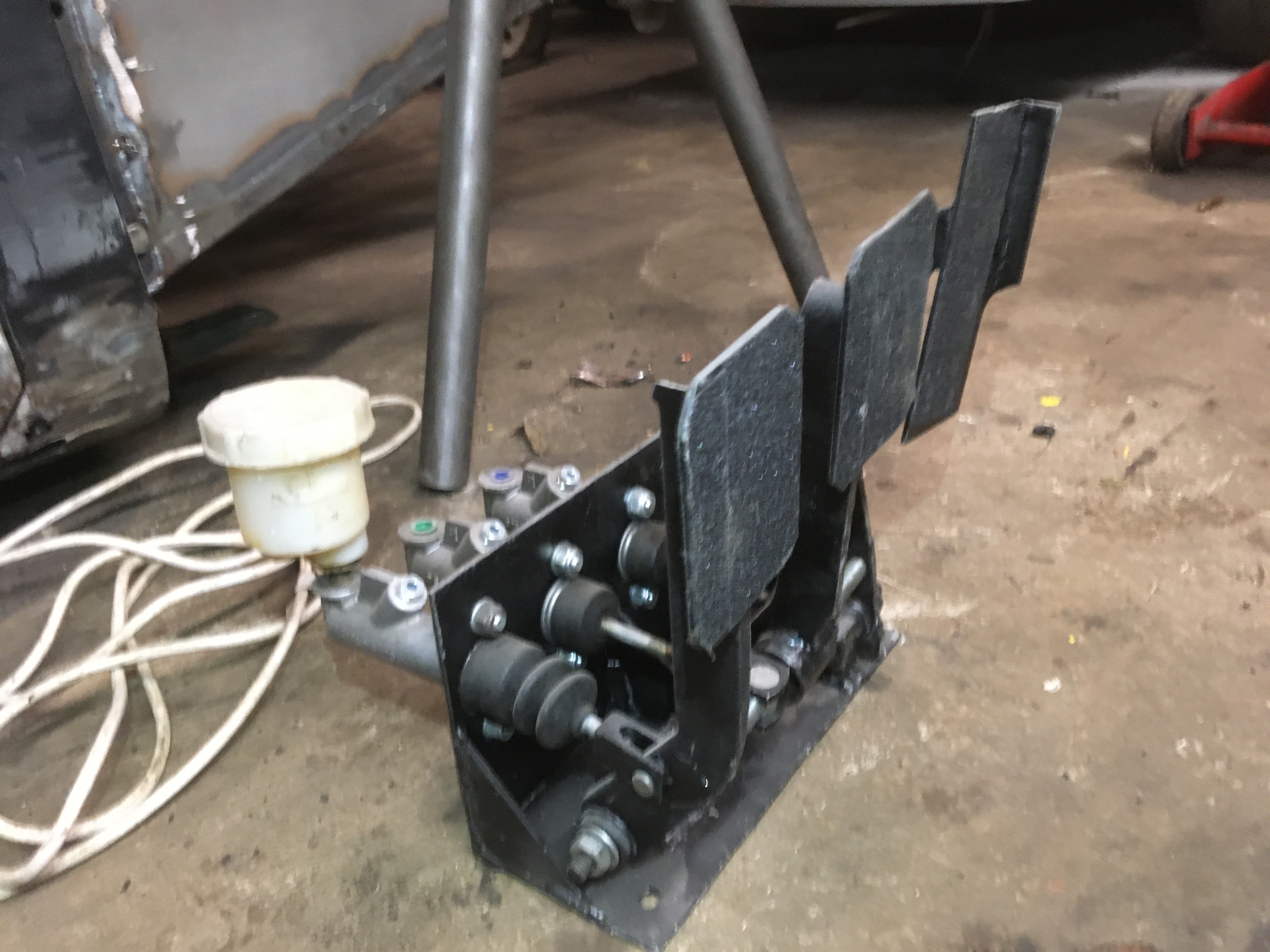 Certainly, there doesn’t seem to be much to discuss here. You make a series of metal rectangles near the feet, and the driver squirts the right one when they want to yeet the car and the left one if they want to unyeet it. Simple, right?
Well, not quite. As already noted, your car is only as precise as your driver can operate it, and when it comes to some of their only means of controlling its speed, there is an intense scrutiny place on the rigors of the pedal box. Ultimately, the precision a throttle can offer is essential to keeping up the revs and the momentum up through the bends, and the brake pedal is all that might keep you from a very hairy accident. A slow, unresponsive set of pedals leads to an unresponsive, sluggish car at best, and a panicked series of stabs down at the brake as you careen out of control. Having responsive pedals is essential for any car, which is why so much attention must be dedicated to getting it exactly right, and determining what compromises are necessary to ensure that its rigidity remains uncompromised.
For example, according to the rules, the pedal box must be strong enough to withstand two thousand Newtons of force, or a four hundred and forty pound person putting their entire body weight through the pedals. This limits the scope of materials we can use to build this part, and the thickness we need to build it at, however it encourages more and more out of the box thinking in how to design pedals that are structurally sound, while not compromising on weight.
As such, we need to reduce the complexity which is often the source of ballooning weight figures, and so the pivoting point is at the floor, with a torsion spring return system to ensure consistent feedback.
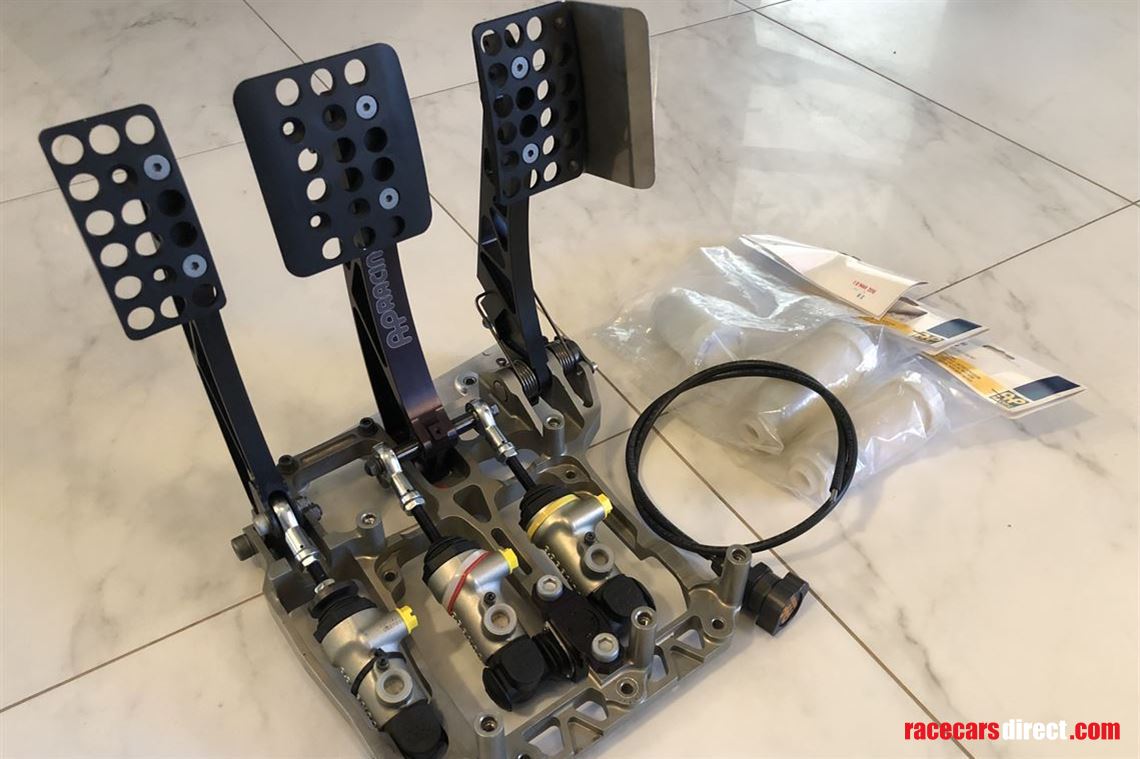 This system operates off the resistance of a helical spring, which consists of a firm wire wrapped into a coil akin to a screw thread, with the force being deflected through the radius of the wound wire and spread over its length.
It is one of the most common forms of mechanical springs, and allows us to pack a large amount of resistance into an extremely small coil.
In conjunction with the pedal being mounted to and hinged against the floor, the pedals are extremely adjustable to the drivers own requests and needs, as to allow the driver to perform at their best and get the most out of the car, their interactions with the controls have to be tailored to what is intuitive to them.
Otherwise, in that essential moment on the run up to the corner, where the precise ballet of pumping the brakes, a dab of heel and toe as you bring the car down the gears, the variable and progressive return to the throttle out of the corner, all of it, must be executed to absurd precision to reach the sorts of performance that was shown on paper.
But that is the job of ergonomics; to make these interfaces intuitive as well as safe, to turn what is normally the work of Hamiltons and Schumachers into the sorts of jobs even a Raghunathan can accomplish with a mere gesture towards the controls, such is how intuitive they are. But they also need to make these interfaces strong; a stuck throttle is any drivers biggest nightmare, and they are responsible for the fact that when the driver slams on the brake, they know with unquestioning certainty that the car will stop.
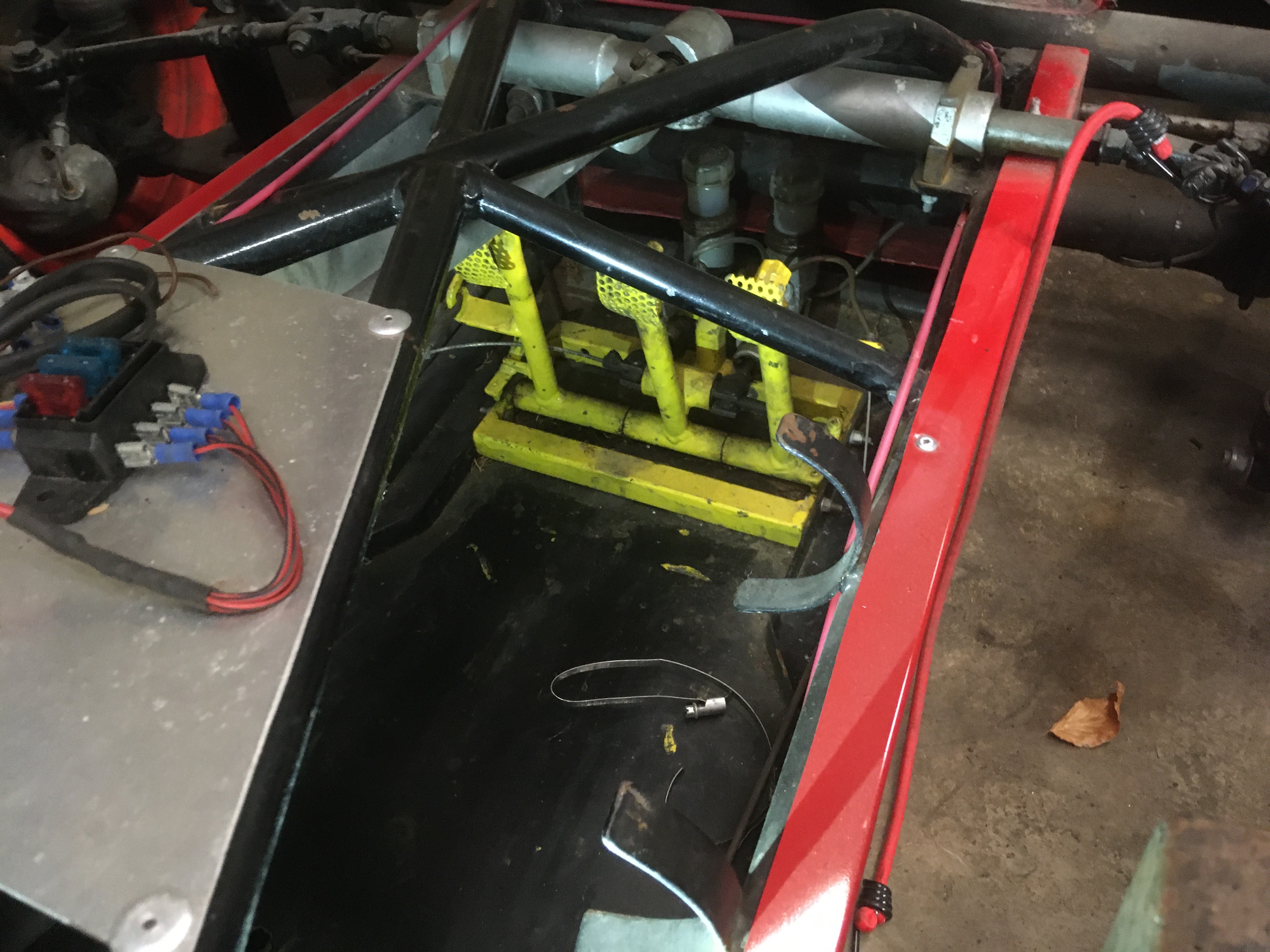 While there are more flashy parts, more dramatic ones, I wager there is not many more dependable than your pedal box, and it is for that I thank the ergonomics team any time the car comes to an undramatic stop.