

If you ever watch F1 or any other motorsport, you will hear the terms downforce and drag nonstop. Downforce pushes the car and tires into the ground, improving the cars grip and cornering ability. This is an incredibly useful asset to any car.
However, in creating downforce, the drag on the car will generally go up, reducing the cars straight line speed. This leaves aerodynamicists in a constant battle to create the most amount of downforce with the least amount of drag.
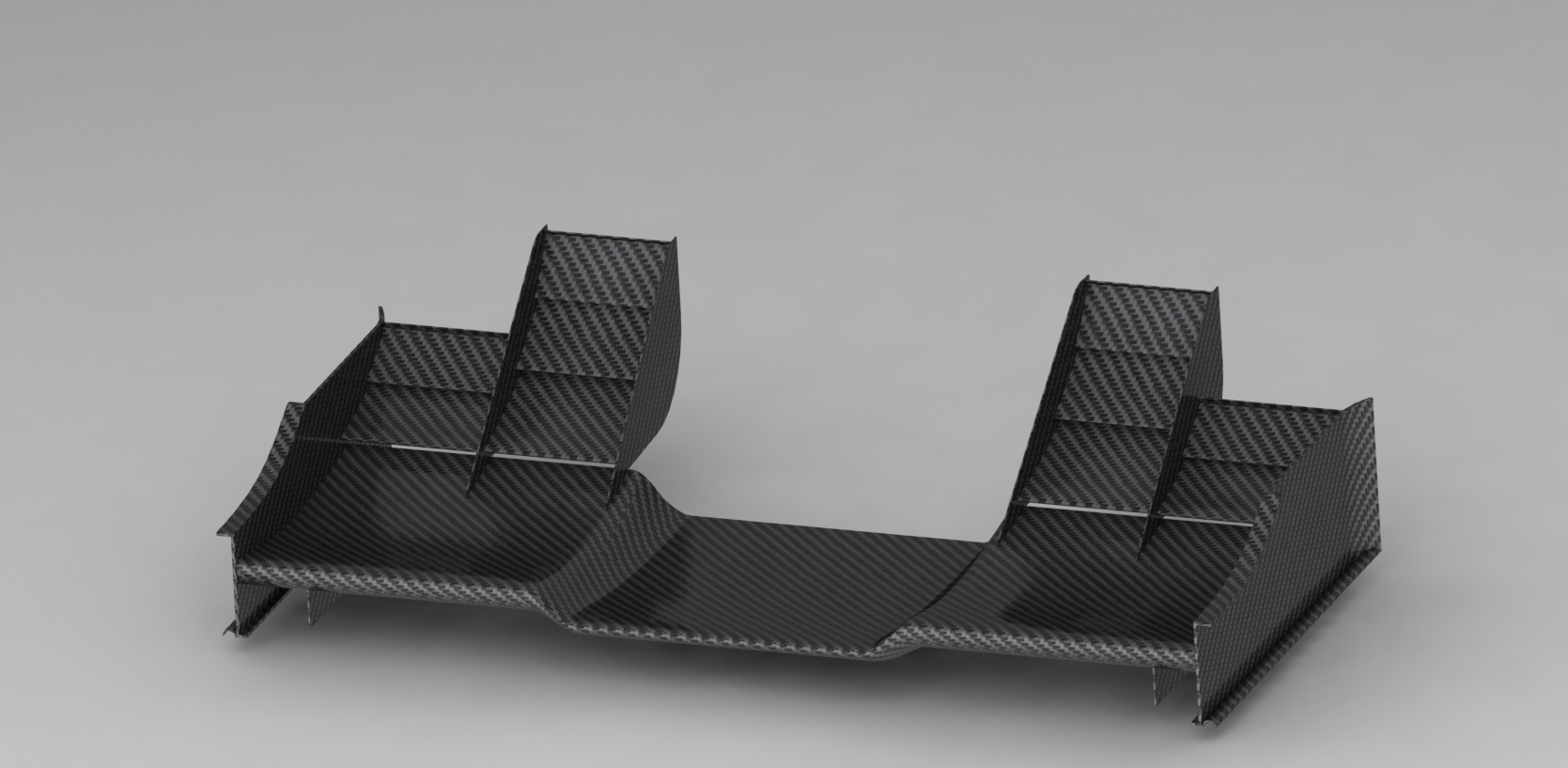
One of the most pivotal aerodynamic components of any race car is the front wing. Let’s examine why this is the case.
The first purpose of the front wing is to generate downforce. As the car moves through the air, the front wing manipulates this air to create a high pressure region on top of the wing and a low pressure region under the wing. The difference in air pressure results in a force that pushes the wing down into the ground. This pressure force along with any forces in the vertical direction due to friction create the wings downforce.
The front wing essentially acts like an airplane wing that is upside down with some extra flaps. However, due to the front wings close proximity to the ground, the front wing has a ground effect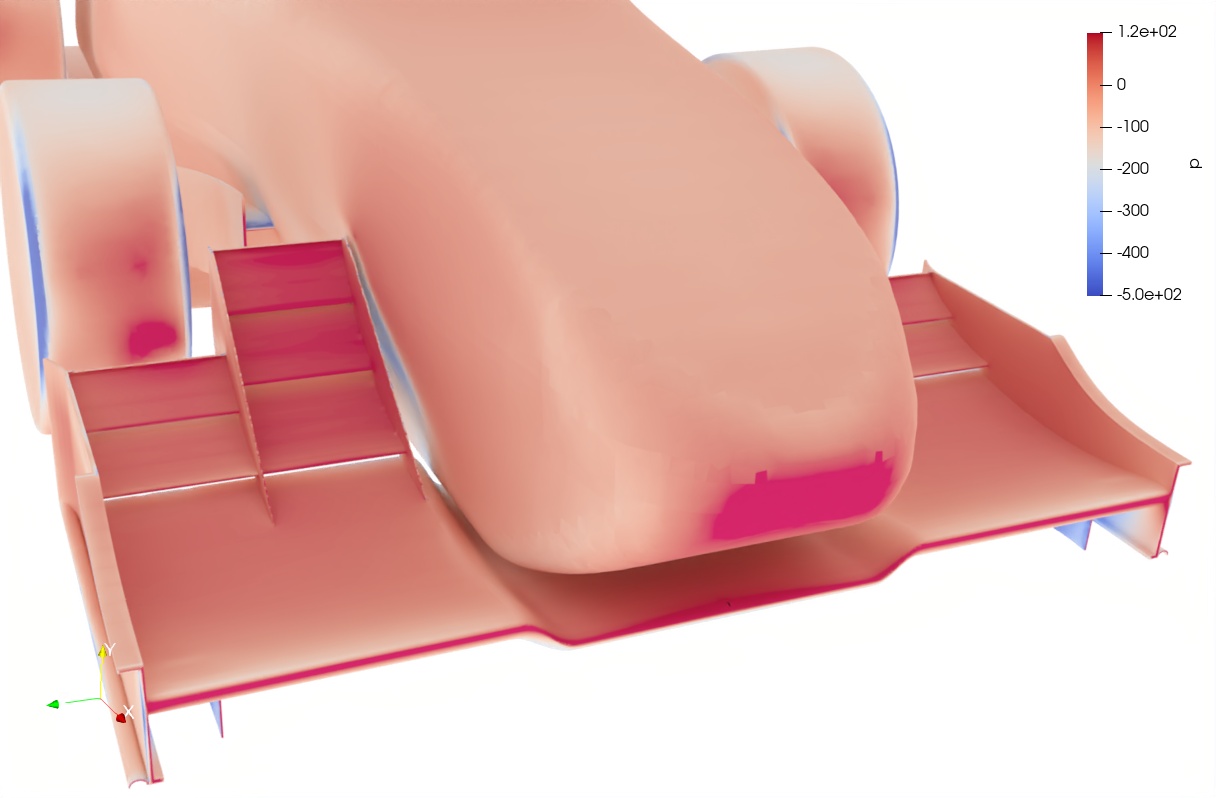 element which causes the air under the wing to move faster than it would normally. This produces a much lower pressure region underneath the wing which leads to more downforce.
The front wing is the first part of the car to hit the clean incoming air. This allows you to use the front wing to direct the flow to different parts of the car or to direct the flow around certain parts of the car like the wheels, which create a lot of drag and turbulence. This is a useful tool that can help increase downforce or reduce drag on other components of the car.
However, if the front wing is too ‘abrasive’ in creating downforce it can cause turbulent low energy air to come off of the wing and negatively impact other aerodynamic components further down the car. So there is a balancing act between creating downforce while not causing too much negative, turbulent air flow.
In motorsport, it doesn’t matter how amazing your car is on paper because if the car is not balanced or is horrible to drive you’ll never win anything. This is where the front wing can play another role. The front wing is the only downforce producing component in front of the front wheels. This means that when the front wing produces downforce effectively all that force goes into the front tires.
So, if the rear of the car is very stiff and the car has a lot of understeer, the front wing can be used to give the front a lot more grip to overcome this understeer and make the car much easier and faster to drive. In reverse if the car has a lot of oversteer the front wing can be reduced to help balance the car.
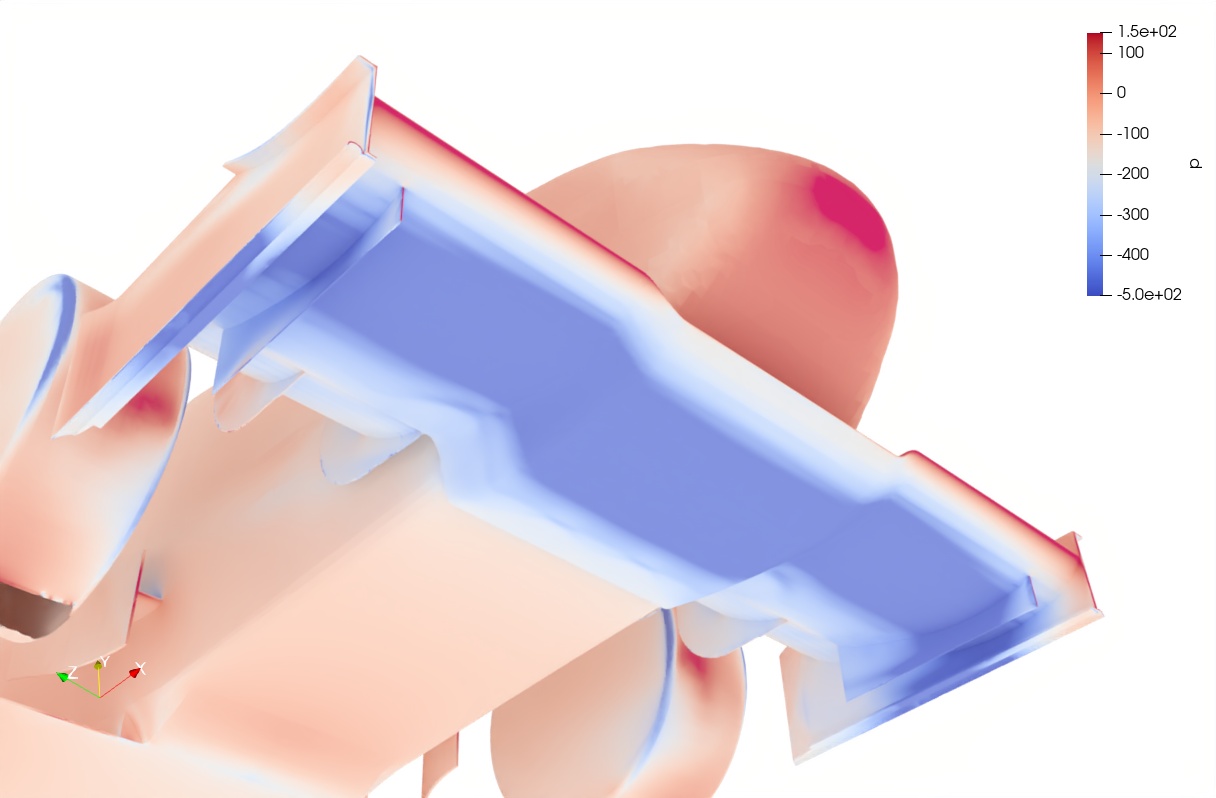 As you can see there are a lot of variables that need to be considered when designing the wing. The design process requires a lot of CFD simulations and analysis. CFD simulations calculate the downforce, drag and moments on the wing while also allowing you to see how the wing interacts with the rest of the car.
From here the design is a slow an iterative process involving choosing the best airfoils, angles of flaps, size of the different airfoils, height from the ground, etc. Once the basics are figured out different devices like strakes, gurney flaps and footplates can be added to improve performance and to help direct the flow.
It is not easy testing all these different components but this pursuit of maximum downforce, minimum drag while also directing the flow nicely to the rest of the car can reap major benefits in the cars overall performance and drivability.