

The eccentric is a pretty unusual beast. A pair of cogs rotating freely with the mounting point about which the body rotates not aligned with the central length of the system, letting the whole component rock off centre and sit and rub against the chain in varying positions.
But let’s back up. How did we get here? Why do we need this? What is the point of keeping the chain tight? And how does this even work? Well pull up a chair, because today we’re learning about the eccentric, and how we use it!
Let’s start from the top; the chain. Any FSUK team has a choice of how to get power out of the gearbox and to the axle; a traditional production car uses a propshaft spinning out of the gearbox and translated onto the driven axle to incur lesser losses to mechanical friction through the whole system, however the system comes with increased weight. Given the lower overall weight of a Formula Student car, any prospective increase in weight represents a pound-for-pound greater increase than it would in a normal car, and as such we, like many teams, take the lower efficiency to save weight, and use a system of chains, with the gearbox turning a cog whose teeth turn a long chain, which stretches down to a second cog mounted on the rear axle, akin to a bicycle chain connecting the pedals to the rear wheel.
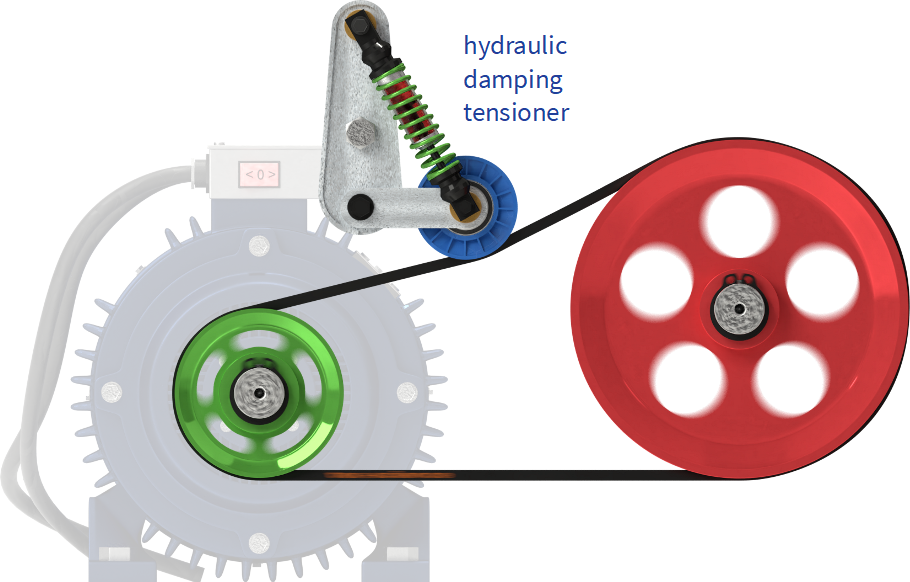 And those of you who have ridden bikes for any length of time will recall, at some point, your chain detaching and having to pull to the side of the road and fix it, opening a spring mount to fit the chain over the rear cog and then let the spring contact the chain.
This is one solution to the problem; a simple mechanism based on a constant spring force that adapts to the variances in tension through the chain over time. However, beyond changing out the spring, there is no way of altering how much you want the spring to be pressing; there’s nothing to adjust the spring will push as much as the spring wants, and there is no way to induce any further chain tensioning.
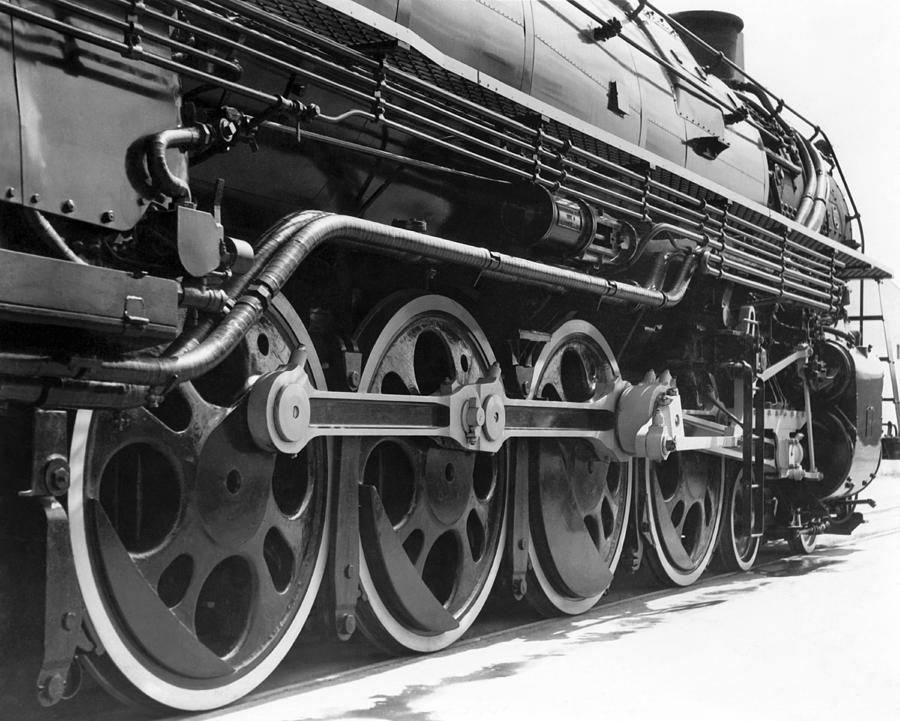 And then we have the eccentric. Eccentric cogs began use on old steam trains, where power would be delivered through a sliding valve which connected to the wheels with a rod mounted off-centre to allow the simple harmonic motion to push against the wheel a fixed distance from the axle, creating torque.

Of course, our car is not a steam engine, and we are not using the eccentric in this way. For us, the mechanism, which we use to keep the drive chain taut, has a pair of symmetrical plates with an outer frame, in the form of a large cog with teeth that mesh into the drive chain, and an inner “eccentric” plate that fits inside the outer frame. The outer frame is mounted at the top and bottom to the main frame of the chassis, though it is independent of both the chassis and the inner plate and free to rotate as the chain moves along. When ready, a bolt will be able to pass through the two plates at an eccentric point and apply a clamping pressure on the inner plate when it is tightened.
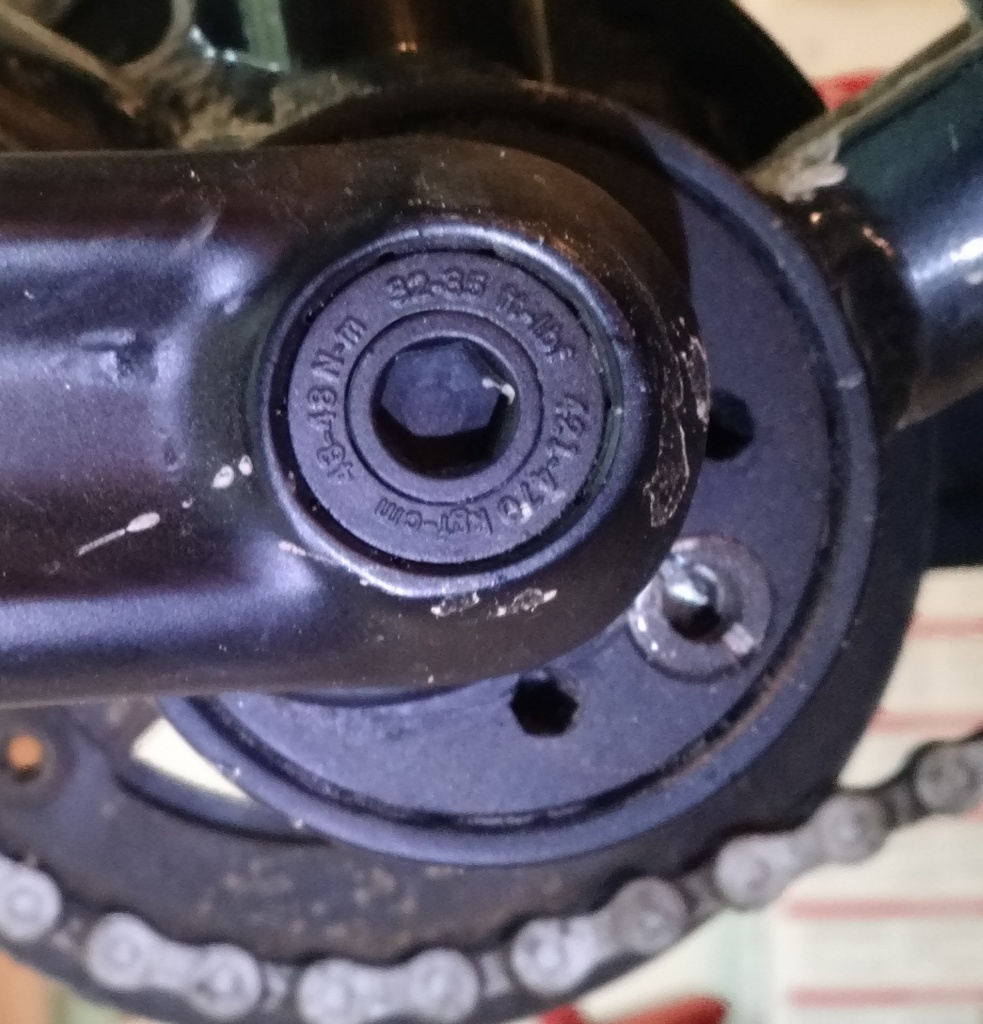 Before that bolt clamps the inner plate into position, the inner eccentric plate is free to rotate and, by virtue of the eccentricity of the pivoting point, move both it and the outer plate around it up and down. With this mechanism, an engineer can increase or decrease the pressure the outer plate applies to the chain to hold it in place, before the inner plate is locked into place with the bolt.
Once locked, the alignment of the inner plate with respect to the chassis and the reference plane is preserved as the outer plate, keeping the chain tense, is free to rotate along with it, letting power flow through the chain to the rear axle.
But then how does it stack up against the alternatives? The eccentric is able to pivot before it is locked into place, it is extremely adjustable and easy to use once installed, and is not that much more heavy than having a normal end cog. The only disadvantage is increased expense, however for a robust chain tensioner that you know will not leave you suddenly without drive during the endurance test, and that you can adjust easily in response to testing without having to replace it wholesale. All you have to do is unlock the bolt and change the position of the inner plate by rotating it towards or away from the chain.
The eccentric may be eccentric, but just because a solution is unconventional by no means makes it ineffective, as without it, we would be left powerless to adjust the tension of our drivetrain, and leave us vulnerable to tragedy out there on track. It is only through the cunning and good engineering of our drivetrain team that we know this will not be a problem for us come July.